
Specialty Agricultural Products
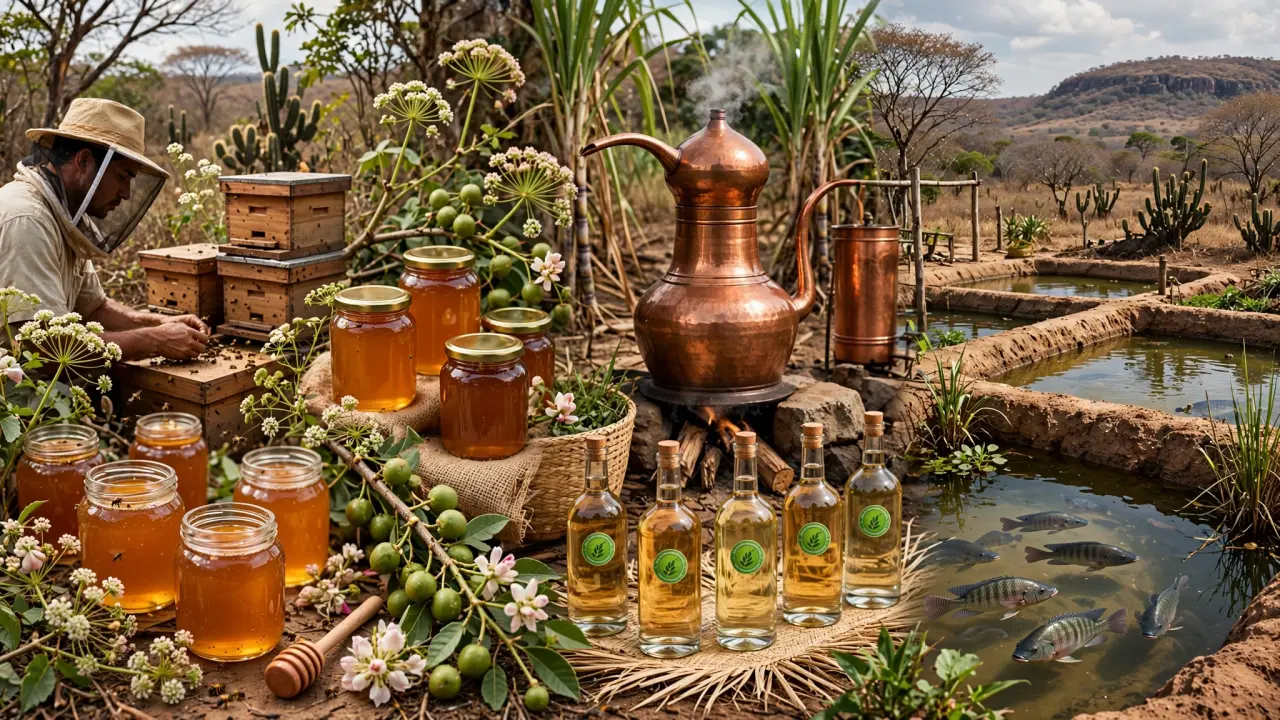
THE MAIN TYPES OF CROPS AND PRODUCTS THAT WILL BE THE RENEWABLE FOUNDATION OF THE Oasis in the Outback PROJECT
We have successfully produced peppers of excellent quality. We created a special gourmet sauce that is 100% natural with no use of pesticides. Various types of peppers including Indian malagueta, biquinho, Bhut Jolokia, Trinidad Scorpion, Carolina Reaper, dedo-de-moça, Tabasco, bode pepper, habanero, murupi, and pink pepper. We added a local herb. We obtained excellent results and a uniquely differentiated flavor — an exclusive gourmet sauce of international quality. Without a doubt, our products will achieve great prominence and commercial acceptance. They will be widely recognized for their excellent flavor and heat.
We intend to sell Oasis do Sertão pepper sauces on a large scale in the international market, targeting Brazilian product stores abroad and large supermarket chains, primarily in the United States.
Pepper is a product that generates great expectations for the sustainability of this project. It promises to maintain a high sales volume. It is differentiated by the fact that there are not many competitors, since harvesting is entirely manual and labor-intensive. We will address the lack of employment opportunities in the Sertão. We will be offering new pathways for the region's development.
100% NATURAL COLORED COTTON
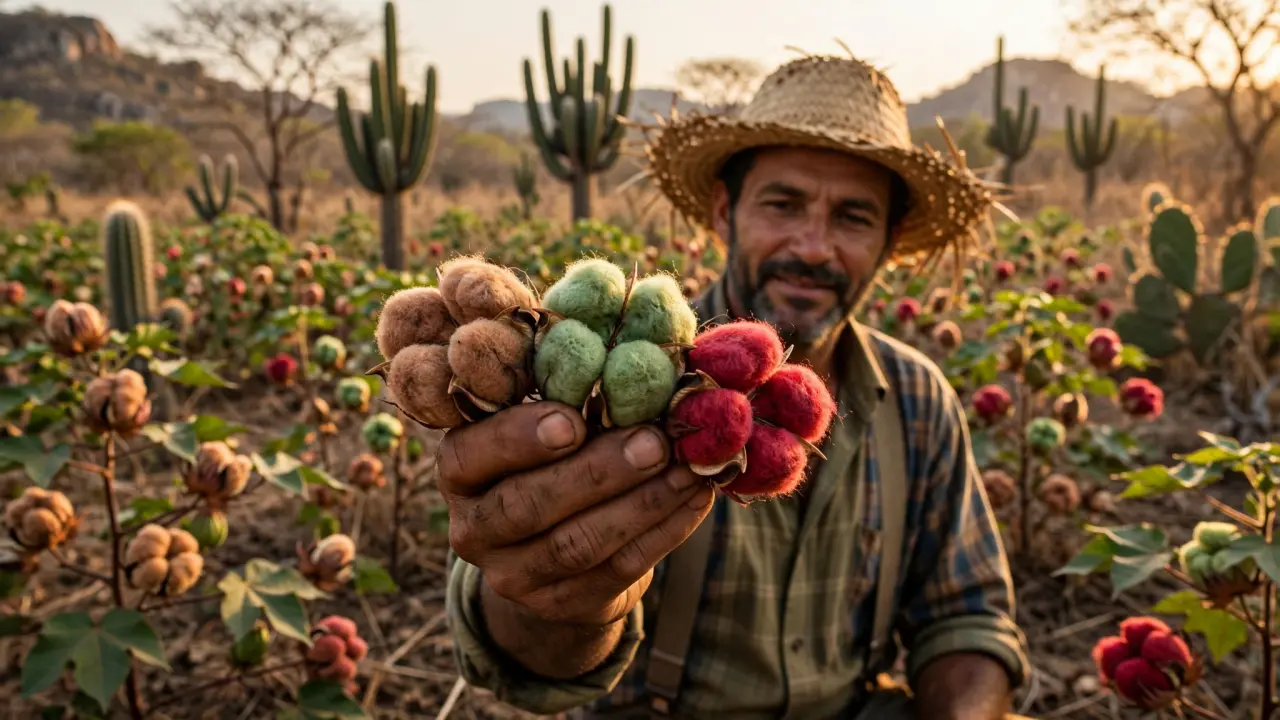
Without a doubt, cotton cultivation is very promising for any type of market, both national and international. The Sertão is considered to produce some of the best quality cotton in the world.
Our climate and soil are suitable and appropriate for cotton cultivation. Our production will be 100% natural, where cultivation preserves soil health through crop rotation systems (alternating the same area with another species so that soil nutrients are not depleted), eliminating the need for synthetic fertilizers, which also explains its lower water consumption. No pesticides are used, as pests are controlled by introducing beneficial predatory species or other types of plants that are more attractive to these insects; and weeds are removed manually, with agrochemicals entirely avoided.
The advantages of colored cotton are numerous. We can highlight that brown fibers were improved and multiplied by Embrapa in Paraíba, gaining various shades ranging from pinkish to greenish, always in soft pastel tones. For the textile industry, this meant eliminating chemical dyeing and its pollutants, which are discharged into waterways. For farmers, this alternative gave new impetus to cotton cultivation. These varieties are more drought-tolerant and grow with little water. Natural cotton does not require workers to wear masks and gloves — unlike conventional cotton — and dispenses with protective equipment during spinning and weaving. 100% natural colored cotton does not affect our health. Even in the finishing stage, it provides better quality — it is a softer product to work with and does not have that harshness when working with the pieces.
All this transformation in the production chain, with the adoption of sustainable practices and the perception of environmental, social, and health benefits, is possible thanks to the guaranteed premium price paid for 100% natural colored cotton. Cotton that is already born brown does not require chemical dyeing and does not fade over time. It shows higher productivity and pest resistance. It does not need heavy rainfall — only small amounts of water are sufficient to maintain production. With threads in various shades from beige to brown, it is possible to obtain many natural textures. On the looms, weavers can actually distinguish naturally colored cotton by touch, due to its softness.
Countries such as Italy, the USA, France, and Japan are the largest buyers in this vast market.
We will be developing a line of intimate apparel for women and men, as well as swimwear developed with some of the world's top fashion designers. This partnership will be very important for the development of our project.
SUSTAINABLE GOURMET COFFEE
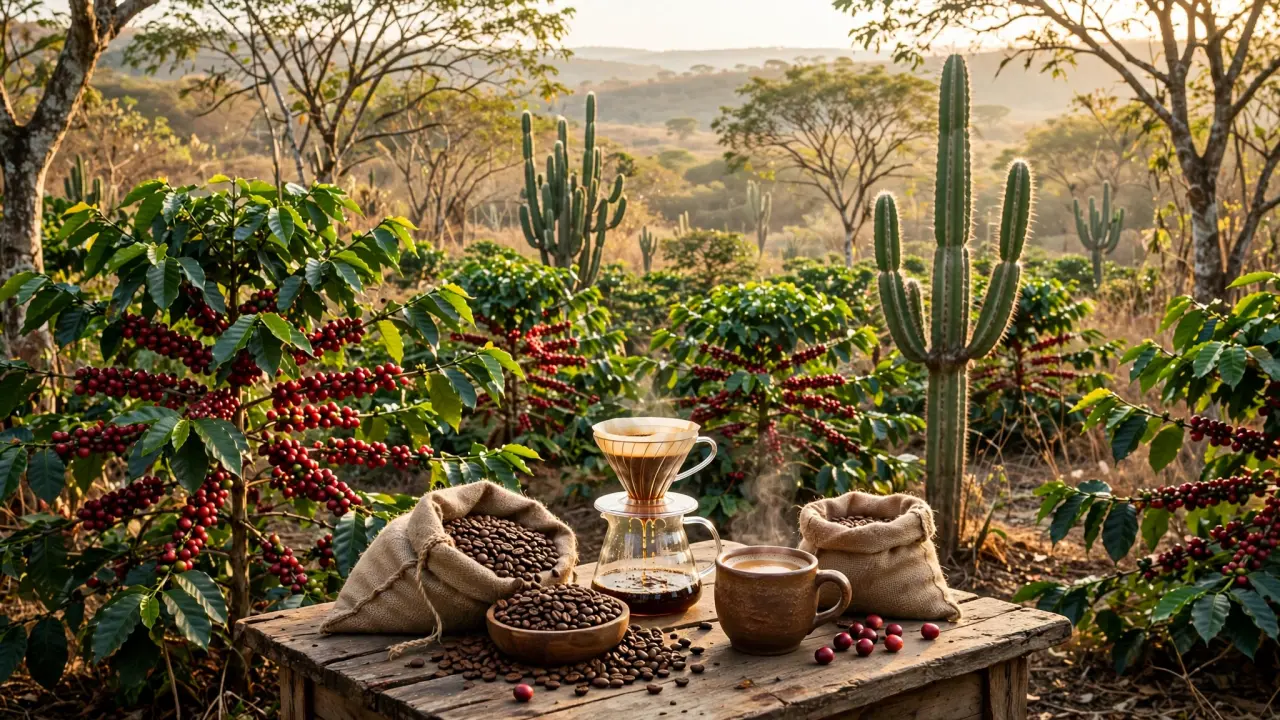
The Oasis in the Outback project believes it will be possible, through special techniques, to produce sustainable gourmet coffee right in the soil of the northeastern Caatinga. This will create opportunities for genuine production for national consumption or for export. This is our challenge and satisfaction.
Coffee has long been the preferred beverage of the majority of Brazilians. At least, that is what the numbers say. Brazil is the world's second-largest consumer, behind only the United States. The country produces 1.3 million tons of coffee per year, about 30% of the global market.
Sustainable coffee has been gaining prominence as a product with strong market acceptance, both domestically and internationally. The higher added value has attracted new producers to adopt this production model.
Sustainable production in coffee farming takes into account social, environmental, and economic aspects, encouraging the longevity of the activity and the implementation of practices that value workers.
The sustainable coffee production chain follows specific regulations, with recommendations for planting, crop care, harvesting, storage, and roasting. Environmental dimension: through the adoption of practices that ensure the preservation of water resources, biodiversity, and air quality. Regulations on pesticide and fertilizer use must be complied with, along with proper waste management, which can be utilized for biofertilizer production.
Coffee maintains a strong and steady presence in Brazilian households, with significant growth in consumption.
Research commissioned by ABIC from Euromonitor continues to show high coffee penetration among consumers. More than 80% of surveyed households have coffee. Amid the crisis, consumer behavior has varied with respect to brands and types of coffee.
MANGO
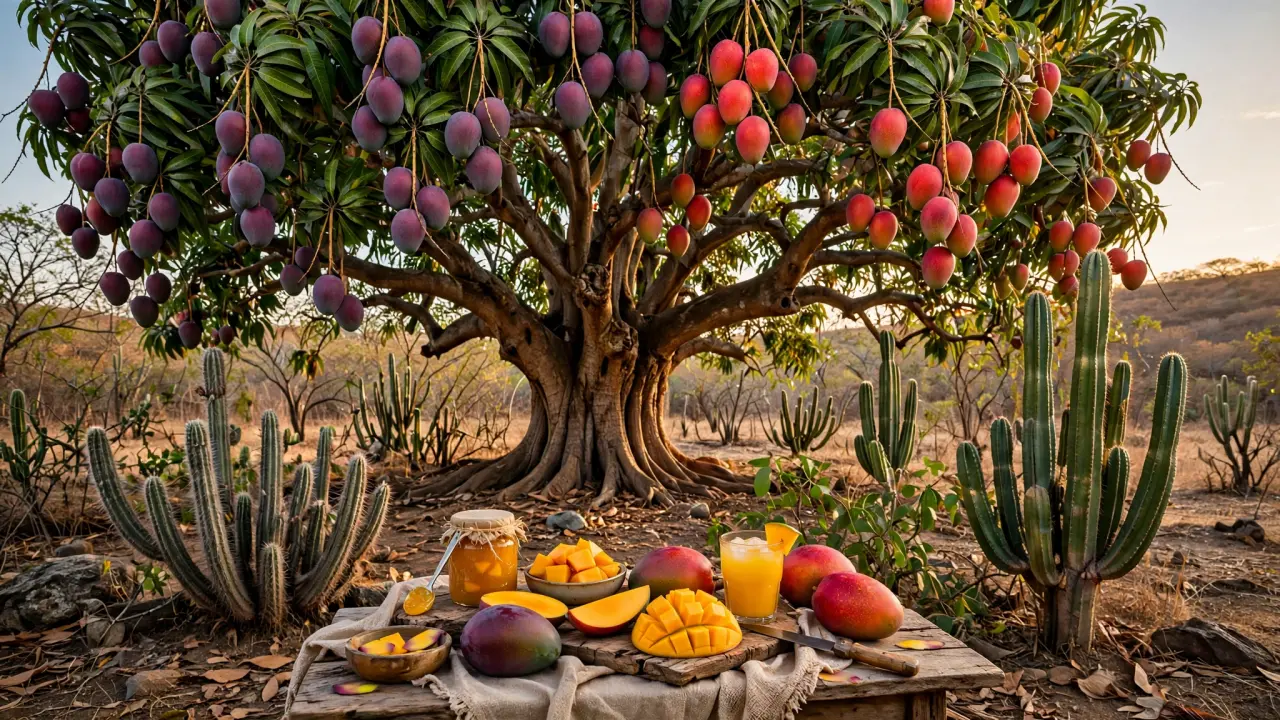
Called the queen of tropical fruits, the mango has good retail sales potential thanks to its attractive appearance, with different shapes, colors, aromas, and flavors resulting from spontaneous plant crossings in the field that generate new varieties.
One of the first fruits introduced here shortly after the discovery of Brazilian lands, the mango today has Brazil as its third-largest global producer. National production is surpassed only by India — from where the plant was brought by Portuguese colonizers — and China. In addition to serving the domestic market and being highly appreciated worldwide, mango is also exported to several destinations, primarily Europe, Japan, and the United States.
Among the most common and commercially available mango varieties in the domestic market are Bourbon, Coração de Boi, Keitt, Haden, Adam, Extrema, and other more rustic ones such as Carlota, Espada, Coquinho, and Rosinha, as well as various regionally known varieties. Tommy Atkins and Palmer are considered the best for export.
One of the oldest and most common Brazilian varieties is the Espada mango. The tree is very vigorous, tall, and highly productive. The fruit is deep green or yellowish-green, medium-sized (around 300 g), with smooth, thick skin. The pulp is very fibrous and yellowish. It has a fair-to-good flavor (around 18° Brix) and holds a prominent place in the domestic market.
Mango production in Brazil relies mainly on the domestic market as the primary outlet. Even with the significant growth observed recently, Brazil's mango exports have not yet reached 10% of total national production. In the domestic market, mango is sold almost exclusively as fresh fruit, although it can also be found as whole juice and frozen pulp. The pulp can be used to make sweets, jellies, juices, nectars, and can be added to sorbets, juice blends, liqueurs, and other products.
ACEROLA
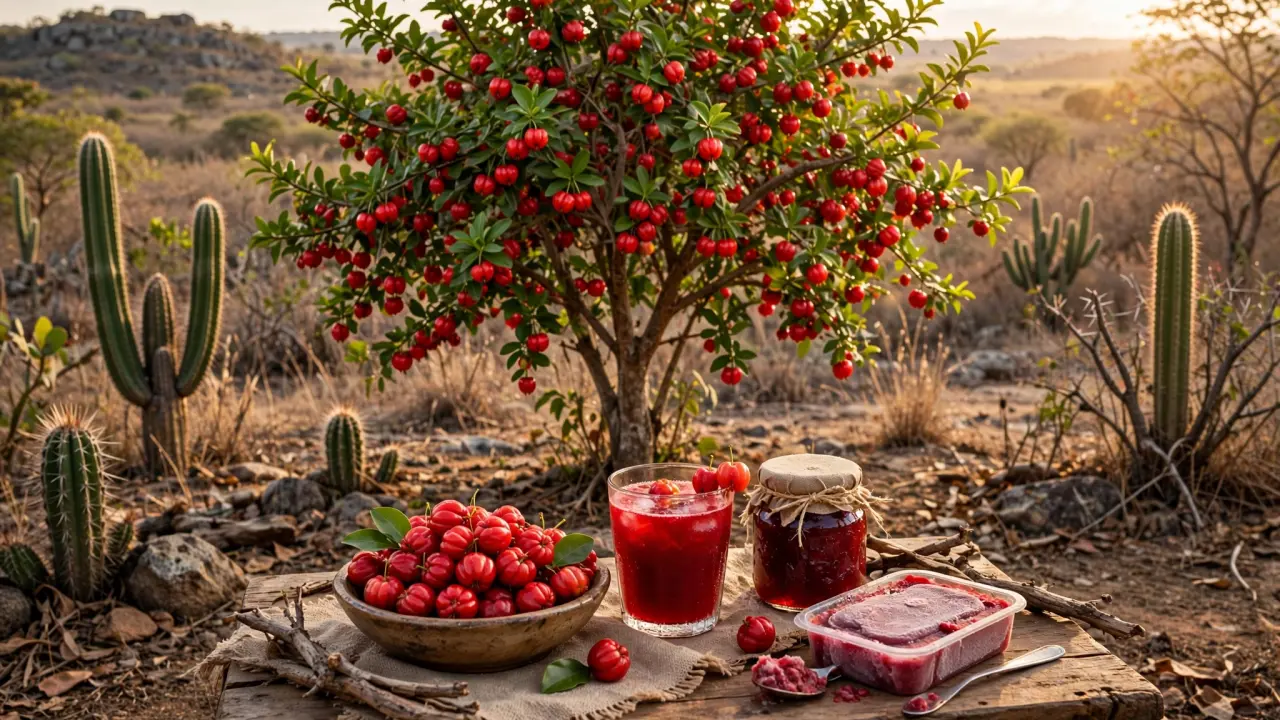
The acerola tree (Malpighia glabra L.) is a plant native to the Antilles, cultivated commercially in Puerto Rico, Hawaii, Jamaica, and Brazil.
Acerola is one of the most appreciated fruits in Brazil. With a vitamin C content one hundred times greater than that of oranges, acerola has sparked the interest of many consumers and, consequently, has become an excellent cultivation option for agricultural producers. A very positive aspect regarding acerola cultivation in Brazil is the soil conditions, which are perfect for agriculture, allowing the country to stand out in world production of fresh fruits.
Acerola is well known for its vitamin C content. However, it also contains vitamins A, B1, B2, and B3, as well as various minerals essential for the proper functioning of our body, such as iron, calcium, and potassium. Consuming foods and beverages made from acerola, or even the fruit itself, helps combat and treat certain health problems such as flu, anemia, stress, and lung and gum infections.
The cultivated area in Brazil is estimated at around 10,000 hectares, with Bahia, Ceará, Paraíba, and Pernambuco standing out, together accounting for 60% of national production. Most acerola orchards are planted with seed-grown seedlings, which is why they show great genetic variability in productivity, size, canopy architecture, pulp yield, color, flavor, consistency, and fruit size.
An important factor encouraging producers to invest in acerola cultivation is the rapidly growing domestic consumer market. Brazilian consumers have become more aware of the importance of natural foods for human health and today consume more fruits.
THE CASHEW
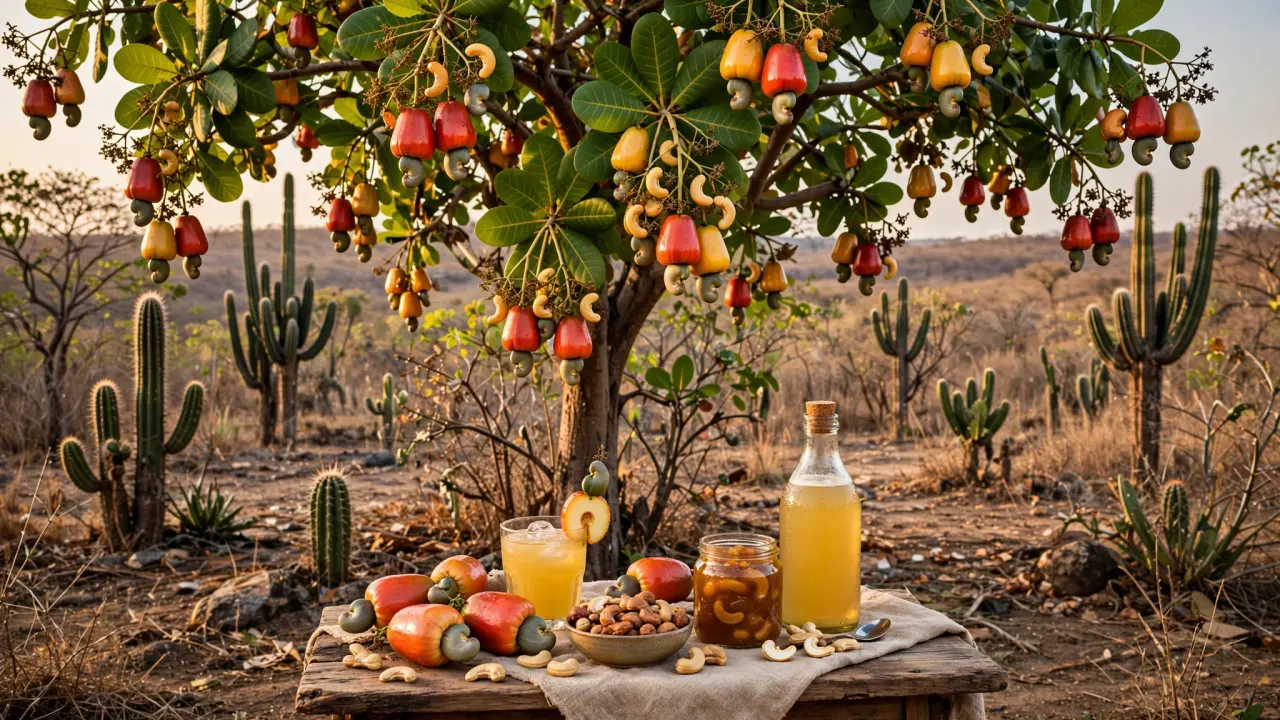
The cashew tree is a plant of the Anacardiaceae family, with Anacardium occidentale L. being the species of greatest economic importance. Brazil is the world's fourth-largest producer of cashew nuts, preceded by India, Mozambique, and Tanzania. However, in terms of cashew nut exports, Brazil ranks third.
The cashew nut is considered the main commercial product of the cashew tree. It has high economic value and is widely consumed in the most varied forms in world cuisine, with demand from developed countries continuing to grow. There are favorable prospects for expanding the domestic market through product diversification, improved production quality, and the implementation of traceability, as the sector estimates that approximately 15% of cashew kernel production is directed toward Brazilian population consumption. Moreover, cashew cultivation represents significant socioeconomic potential, especially for the Northeast region.
Cashew cultivation, along with cashew nut extraction and processing, forms a traditional production chain in the Brazilian Northeast, with records dating back more than 50 years. Cashew nut extraction and processing activities have great potential for job generation, both on rural properties and in agroindustry. The income and foreign exchange generated are also significant, driven by international market demand for the various types of cashew nuts. Cashew nut harvesting is a manual activity and therefore requires intensive labor, as do the sorting and cutting stages. The kernels also require manual work, and even in agroindustry, a considerable amount of manual labor is needed to complement and assist in some currently mechanized stages.
GUAVA
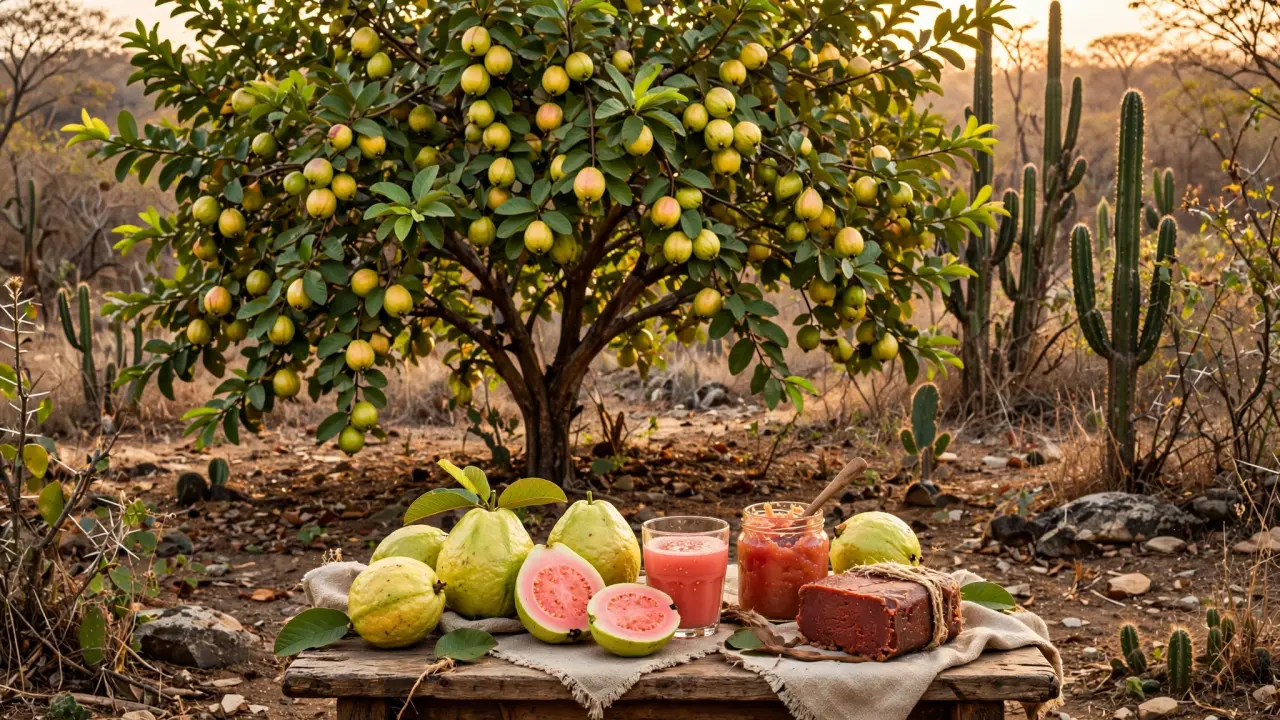
In recent years, the Brazilian agricultural sector has been increasingly incorporating new crop species into its activities, as well as expanding to other regions the cultivation of crops that were previously produced only in areas with favorable climate and soil characteristics.
Among the various fruit species, guava stands out, being increasingly sought after and appreciated. Commercial-scale guava cultivation in Brazil spans from north to south, placing the country among the world's leading producers. This great interest in guava is due to the fact that this fruit is one of the main raw materials for the processing industry. Although consumption of fresh fruit still exceeds that of processed products, sales of processed goods have been increasing day by day in the Brazilian market.
Guava production allows for multiple forms of utilizing the harvested fruit. When cultivated under irrigation, it can produce more than one harvest per year. It is therefore a crop that offers good results, not only through domestic market sales but also in the export market, with good business prospects in Europe and North America. Denmark, Canada, Sweden, the Netherlands, Germany, and especially England and France have been importing Brazilian guavas for fresh consumption. The market has been signaling that even larger exports of pulp and fresh fruits to these countries will occur in the coming years.
Guava stands out among tropical fruits for its excellent quality, attributable to several important factors: its high nutritional value as one of the best sources of vitamin C, high sugar content, vitamins A and B-complex, plus good levels of phosphorus, iron, and calcium; excellent organoleptic properties with a moderate and characteristic flavor and aroma, and high yield per hectare; and pulp with high industrial versatility, allowing for multiple uses such as preserves, fruit in syrup, jellies, nectar, sorbets, and bases for syrups and beverages.
100% NATURAL GRAPE
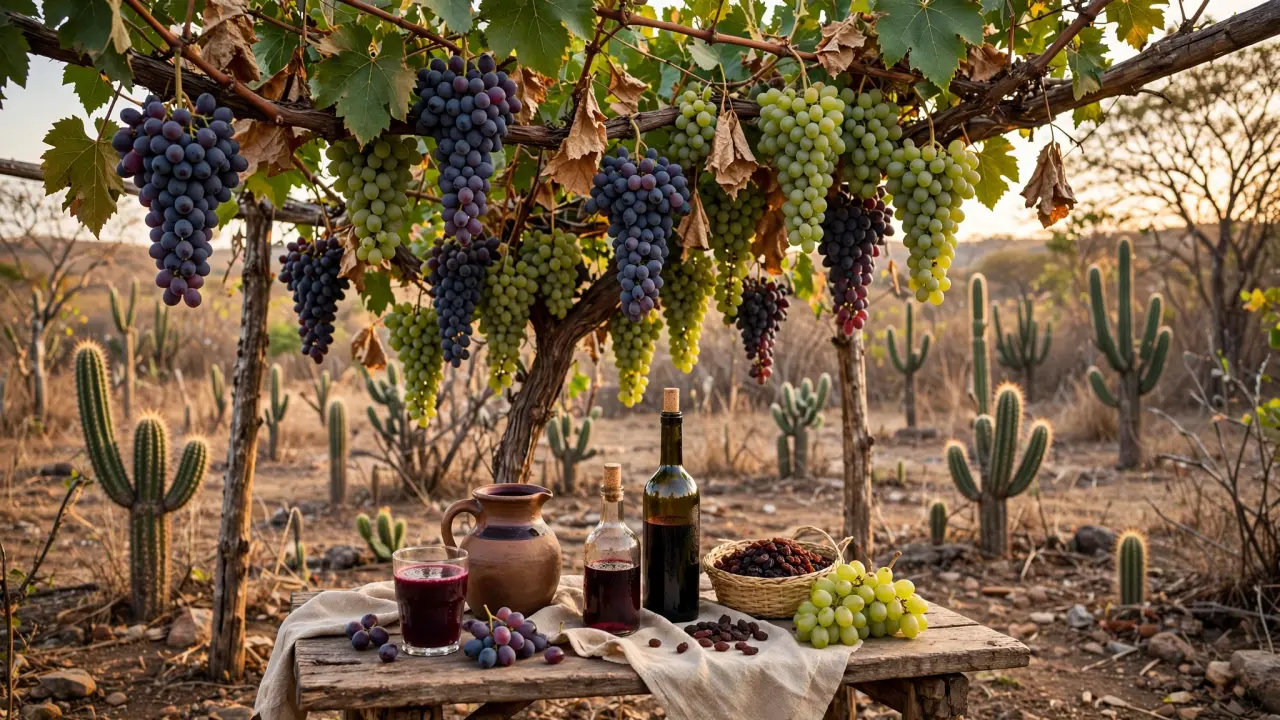
Viticulture — the production of grapes and wine — is an activity that has been practiced and appreciated by humans for thousands of years.
Grape production involves a wide range of activities throughout the production cycle. It requires considerable technical knowledge from the producer or the assistance of an experienced professional.
Fine wine or table grapes encompass varieties of the species Vitis vinifera L. of European origin, which are sensitive to fungal diseases and highly demanding in cultural practices.
Seedless grapes (apirenic) are highly appreciated for fresh consumption. They show either complete absence or only traces of seeds in the fruit. They are generally of the species Vitis vinifera or hybrids of this species with others.
The criteria that determine the optimal ripening point for grapes destined for winemaking, aiming to achieve maximum quality, include measuring sugar content, the combined measurement of sugars and acids, and pH.
The grape is rich in carbohydrates and vitamins, such as thiamine, riboflavin, and vitamin C. The minerals present include calcium, phosphorus, magnesium, and copper in larger quantities, as well as potassium.
National table grape production is destined for both the domestic and international markets. Wine, grape juice, and derivative production is concentrated in Rio Grande do Sul, where an average of 300 million liters of wine and must are produced annually, representing 95% of national production.
The Brazilian market, despite our exports, is a net importer of grapes and their derivatives. There is therefore room for new producers to expand the national supply, provided that efficiency and quality parameters are met.
We will achieve grapes of exceptional quality right in the Sertão and produce a winery differentiated by the quality of Oasis do Sertão wines. Our wines will be produced to the highest standards of quality and excellence. We will create a 100% natural winery, seeking all the necessary elements to maximize the level of differentiated production.
BRAZIL NUT
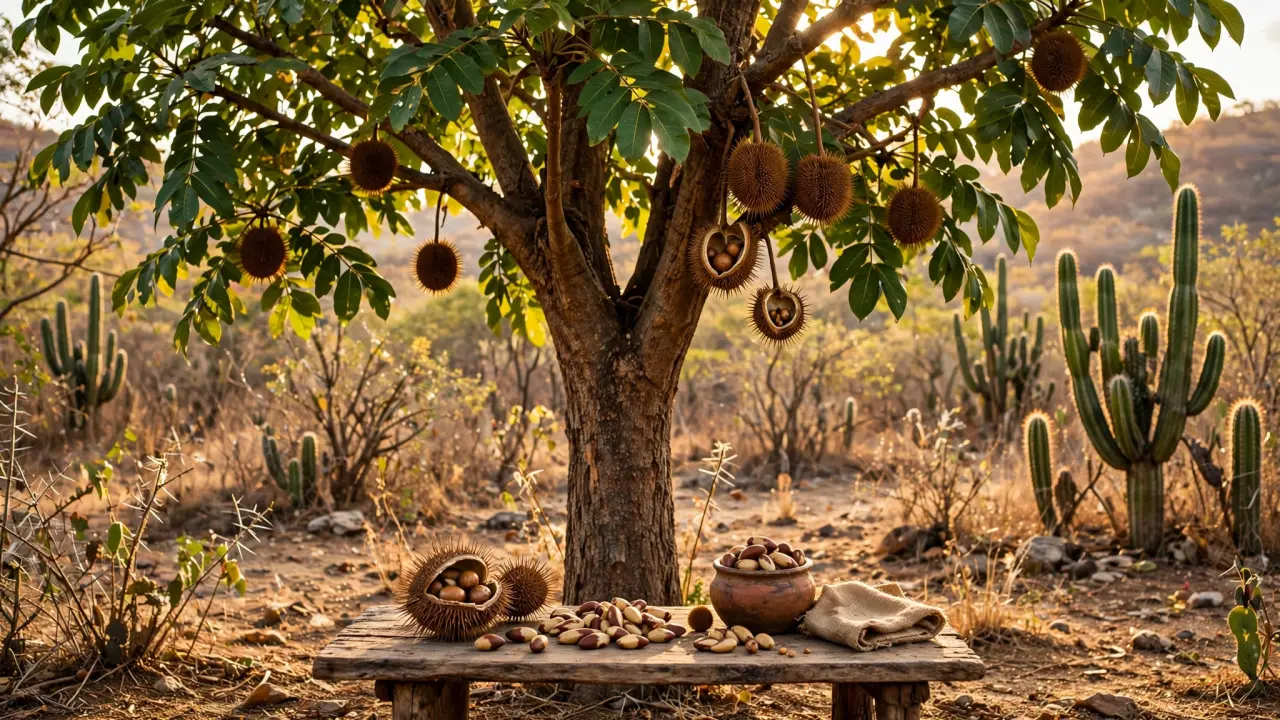
The Brazil nut is a special food that contains various properties beneficial to our health, being rich in important components for the proper functioning of our body, such as fiber, calcium, protein, iron, potassium, selenium, vitamins, folic acid, and zinc.
Research by Felipe Santos Nunes, from the graduate program in Environmental Systems Analysis and Modeling at the Institute of Geosciences (IGC), reveals that Brazil nut extraction activity is also an efficient alternative to prevent the destruction of the Amazon Rainforest.
According to Felipe Nunes, the data shows that Brazil nut extraction, when conducted with the necessary support, is profitable and contributes to the preservation of the Amazon Rainforest. He explains that with the income from processed Brazil nuts, collectors would not necessarily need to resort to other activities during the year after the extraction period to increase family income, such as cattle ranching and agriculture.
The nut has a high concentration of fat, but it is not harmful. "They are good fats — monounsaturated (the same as olive oil) and polyunsaturated. Because of this, it has antioxidant properties." According to the professional, this means there is a fight against inflammation in the body and cells function much better without accumulating fat. The result: Brazil nuts help with weight management, the body stays in shape, and blood circulation occurs much more healthily, preventing cardiovascular diseases.
It is also recommended for vegetarians, as it is a source of protein. The calcium and magnesium content also ensures perfect bone mass synthesis and is very beneficial for bones. And as if that weren't enough, it also helps with the proper functioning of the thyroid and brain.
More than all of this, Brazil nuts help prevent cancer because they are a source of selenium, a mineral that produces the antioxidant enzyme glutathione peroxidase, which is extremely important for fighting free radicals and eliminating toxins from the body. "Studies indicate a relationship between the amount of selenium in the diet and the risk of cancer. The less selenium, the greater the risk of cancer."
PASSION FRUIT
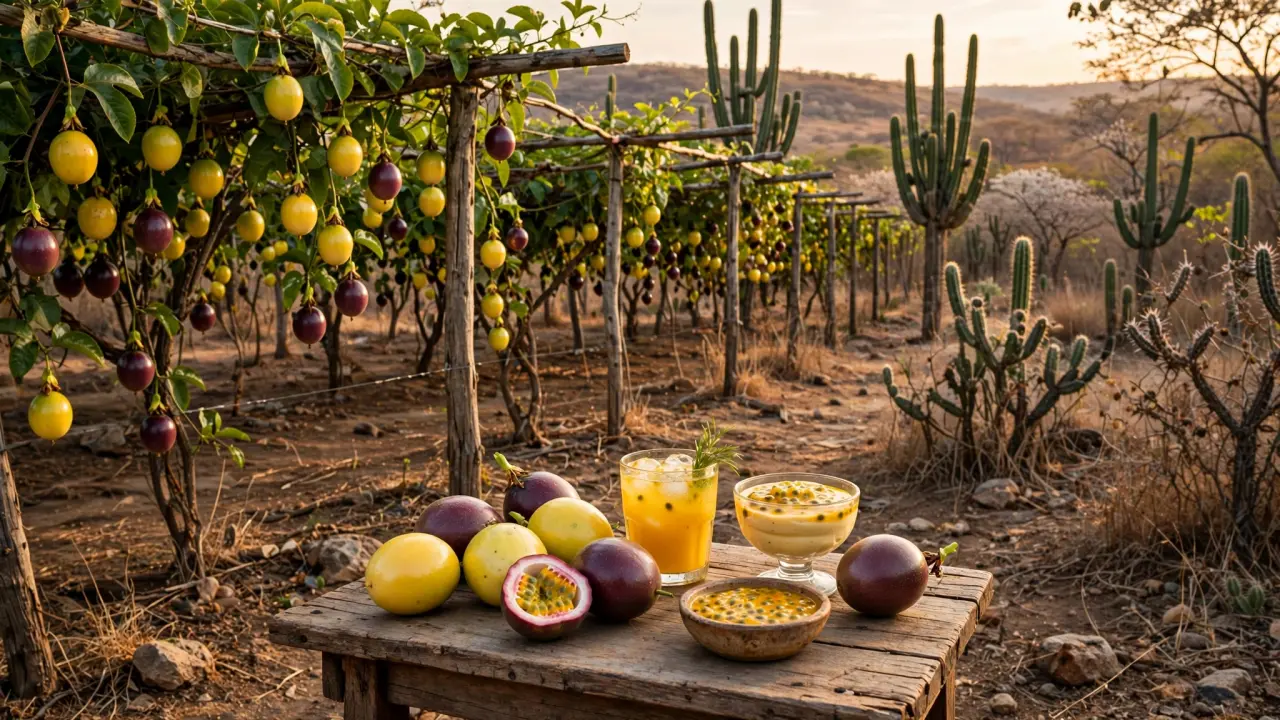
Passion fruit (from the Tupi mara kuya, "fruit that is served" or "food in a gourd") is a fruit produced by plants of the genus Passiflora (essentially the species Passiflora edulis) of the Passifloraceae family. The tree is also known as Maracujazeiro; it grows spontaneously in the tropical and subtropical zones of the Americas.
Also cultivated for its ornamental flower (like other species of the same botanical genus), Passiflora edulis is grown commercially for its fruit in the Caribbean, southern Florida, and Brazil, which is the largest producer and also the world's largest consumer of passion fruit. The commercially used passion fruit is round or ovoid, yellow or dark purple when ripe, and contains a large number of seeds inside.
The fruit is used especially to produce passion fruit juice or pulp, sometimes mixed with the juice of other fruits such as orange. It is popularly known as the fruit of tranquility.
The passion fruit flower is pollinated primarily by large bees, popularly known as mamangava. This fruit is a source of vitamins A, C, and the B-complex. In addition, it contains good amounts of minerals (iron, sodium, calcium, and phosphorus).
Its use as a sedative has been known since antiquity; however, this is not its only application, as it can be used as a calming agent, hypnotic, sleep aid, and tonic (DHAWAN et al., 2004). Passion fruit oil has very varied applications in the cosmetics industry: creams, shampoos, lotions, oils, soaps, and more. The oil can also be used in both human and animal food, as well as in the paint, soap, food, and other industries.
As a cosmetic product based on passion fruit oil, it aids in post-peeling regeneration and helps soften and hydrate dry skin. Products based on passion fruit oil provide a relaxing and anti-stress sensation, and also help against stretch marks.
Commercially, it is one of the most consumed and sought-after fruits in Brazil, primarily for its delicious juice. It is a source of income generation and good profits with strong market demand.
ALOE VERA
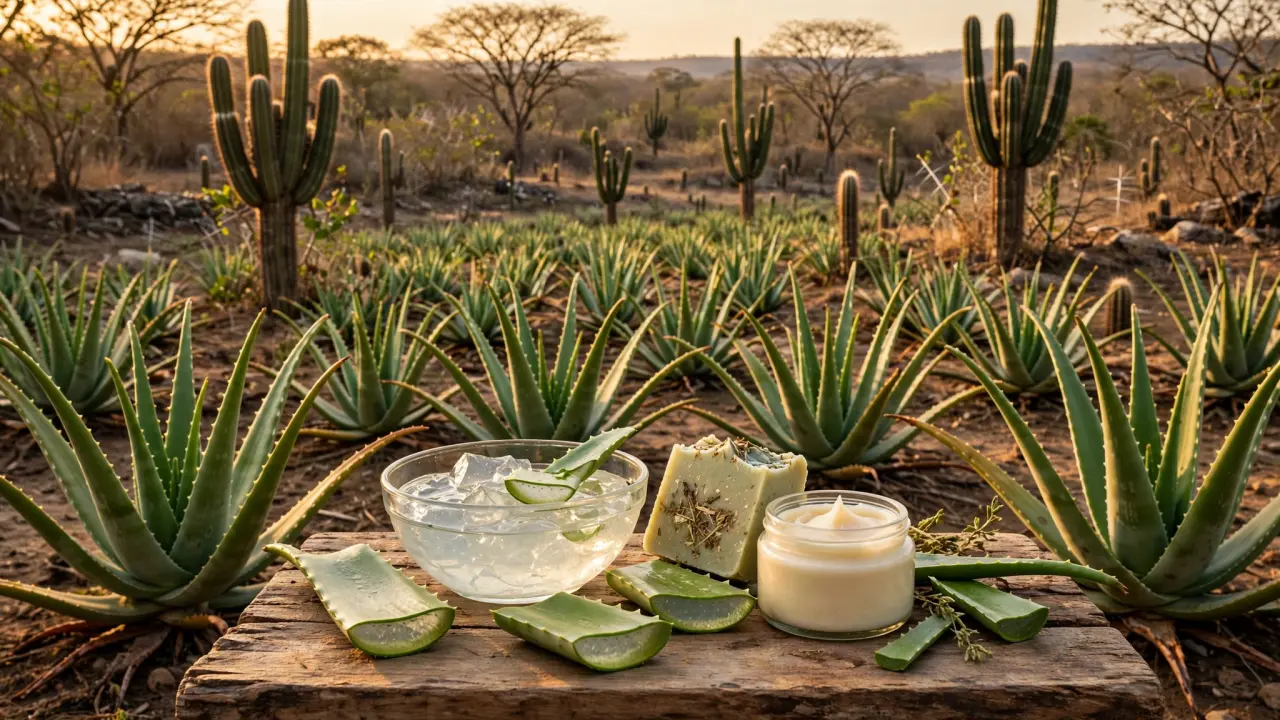
Of African origin, aloe vera belongs to the Liliaceae family and resembles a cactus. It is also called caraguatá, erva babosa, and aloe. When mature, it produces 15 to 30 leaves per year. The leaves are fleshy, firm, and brittle, containing a viscous, soft liquid. At the tips, they have edges full of spines. Care must be taken to avoid cuts.
The strong odor that aloe vera emits may repel the more sensitive. But the plant contains excellent properties indicated for aesthetic treatments, as well as constituting an unparalleled remedy for relieving skin problems such as acne and burns. A phytoterapeutic plant, aloe vera has more than 300 species, but aloe vera has the greatest commercial value among them all.
Currently, imported aloe vera has a notable presence in the Brazilian market. Cultivation does not require much work; the main care needed is with the crop itself. The largest producers are inland São Paulo (particularly the municipality of Jarinu), Santa Catarina, and the Northeast.
From aloe vera, it is possible to obtain various cosmetic and medicinal products, as it is an excellent bactericide, healing agent, and has the capacity to rehydrate hair and skin. The plant remains productive for over ten years.
Cultivation follows organic farming principles, and everything harvested goes to the cosmetics industry, where the plant is used to manufacture shampoos, conditioners, creams, and various other products. Aloe vera is known for its hydrating properties and for treating burns and skin conditions.
CITRONELLA
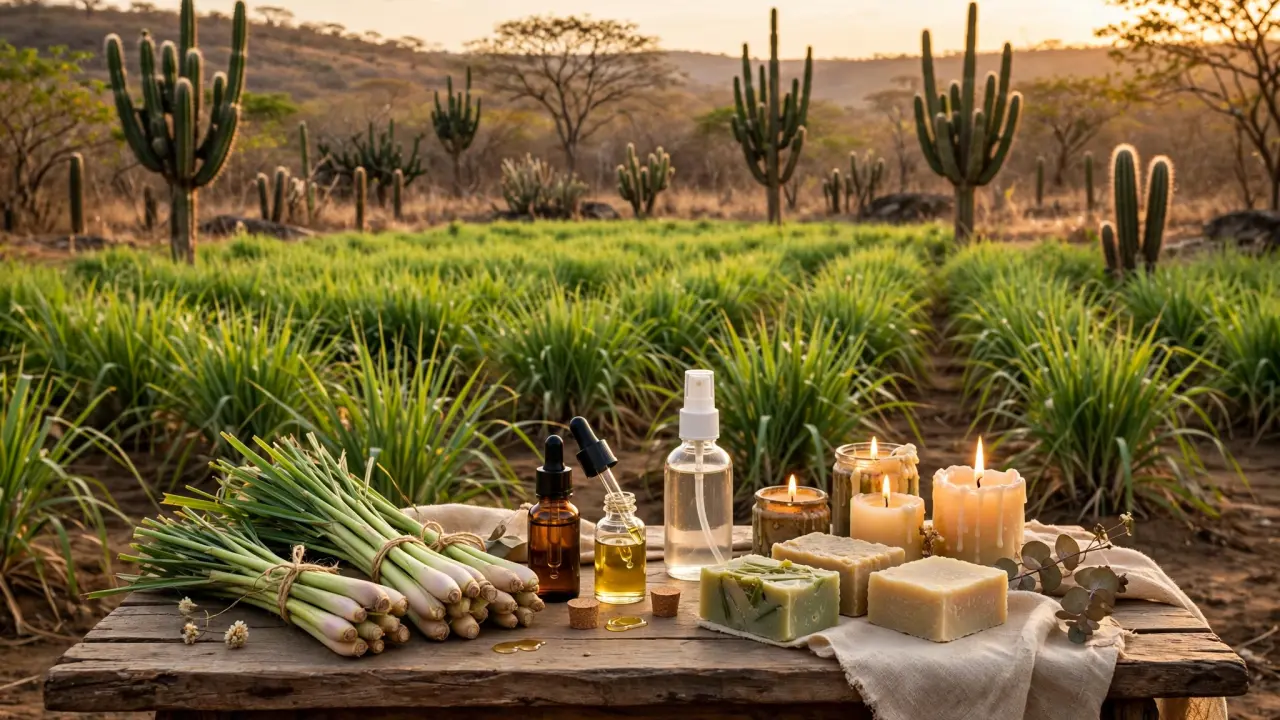
Citronella species are perennial, have erect growth, and can reach up to one meter in height, with very long leaves and a characteristic lemon and eucalyptus scent. Another important feature is the formation of dense clumps that strongly resemble lemongrass.
Citronella, due to its aromatic properties, is widely used in the natural products market, primarily in the manufacture of citronella oil. This oil is widely used as an insect repellent, a property attributed to the presence of substances such as citronellal, eugenol, geraniol, and limonene. It is important to note that citronella's repellent power is capable of warding off even the mosquito that transmits dengue and chikungunya, the Aedes aegypti. It is therefore an option for protection against these diseases. In addition to oils, citronella candles and incense are also used as repellents.
Beyond functioning as a repellent, some research has confirmed the tick-killing action of this plant, as well as its inhibitory effect on fungi and nematodes. Citronella essential oil is also used for perfumery and cosmetic purposes. In traditional medicine, citronella is used as an anti-inflammatory and antirheumatic.
Citronella belongs to the genus Cymbopogon — the same genus as lemongrass — which causes confusion in species identification among laypeople. Despite having a similar appearance to lemongrass, citronella can be differentiated by its scent. Lemongrass, as the name suggests, has an aroma reminiscent of lemon, while citronella has a scent that blends lemon and eucalyptus.
LEMON
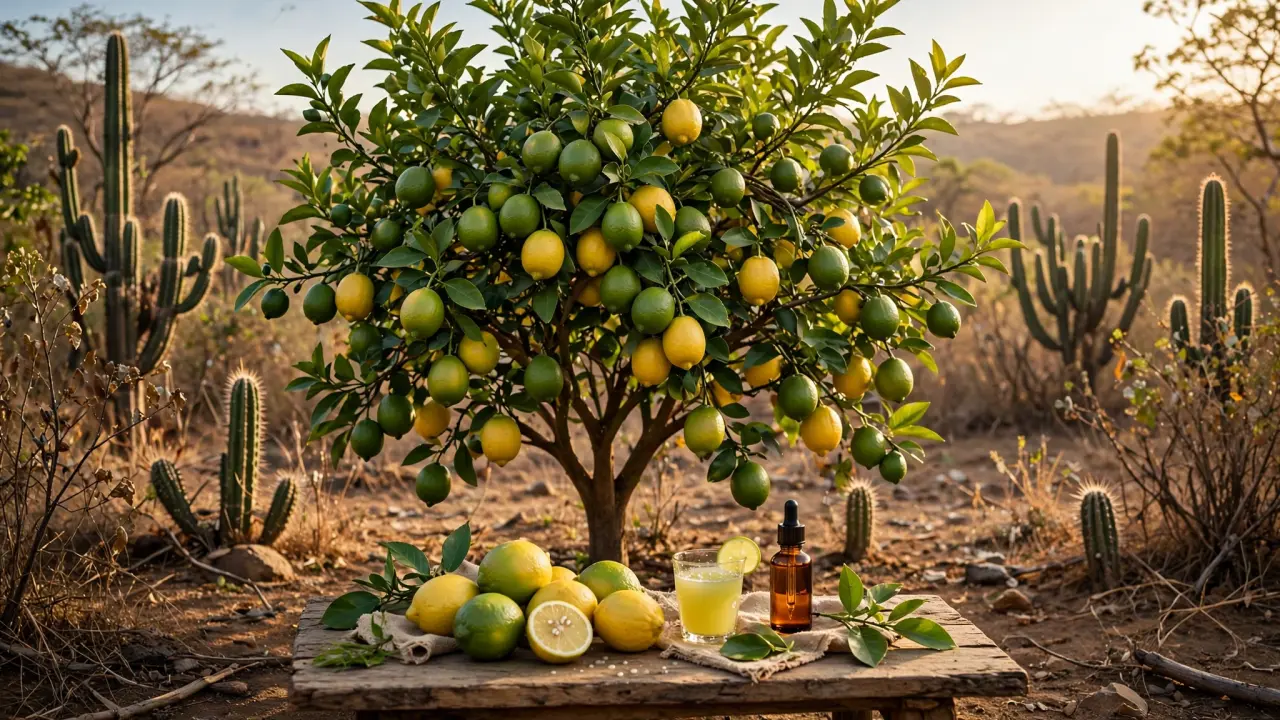
One of the most popular fruits in the world, the lemon — in its many varieties — offers rich nutritional sources for our health. The most commonly consumed varieties in Brazil are: Tahiti, Cravo, Galego, and Siciliano. Here is a brief overview of the characteristics and benefits of each.
One of the most powerful fruits used in gastronomy, in both sweet and savory recipes, the variety of lemons in existence reaches approximately one hundred species worldwide. A rich source of vitamin C, this food is an important ally for our health.
Tahiti - The least acidic and most widely found in the country. Easy to identify in the market: the skin is thin, it has few seeds, and a more rounded shape. Being quite succulent, it is ideal for lemonades and drinks such as caipirinha.
Cravo or Caipira - It has a very characteristic flavor and aroma, and is also known as pink lemon. The skin is orange and has pronounced veins.
Galego - This is the smaller "lemon," with thinner, light green skin and a very rounded shape. Don't be fooled by its size — despite being small, it is quite succulent. Its acidity is not very strong, making this type suitable for a wide variety of recipes: sorbets, sauces, seasonings, drinks, sweets, and juices.
Siciliano - This is the "true" lemon! The oldest in the world, it is also known as Eureka or Lisboa. Its skin is yellowish and quite thick, and its shape is elongated. It is not as succulent as the others, and its flavor is quite acidic, making it ideal raw material for sauces and flavoring dishes full of personality, such as risottos. It has extraordinary demand and market presence.
SPIRULINA
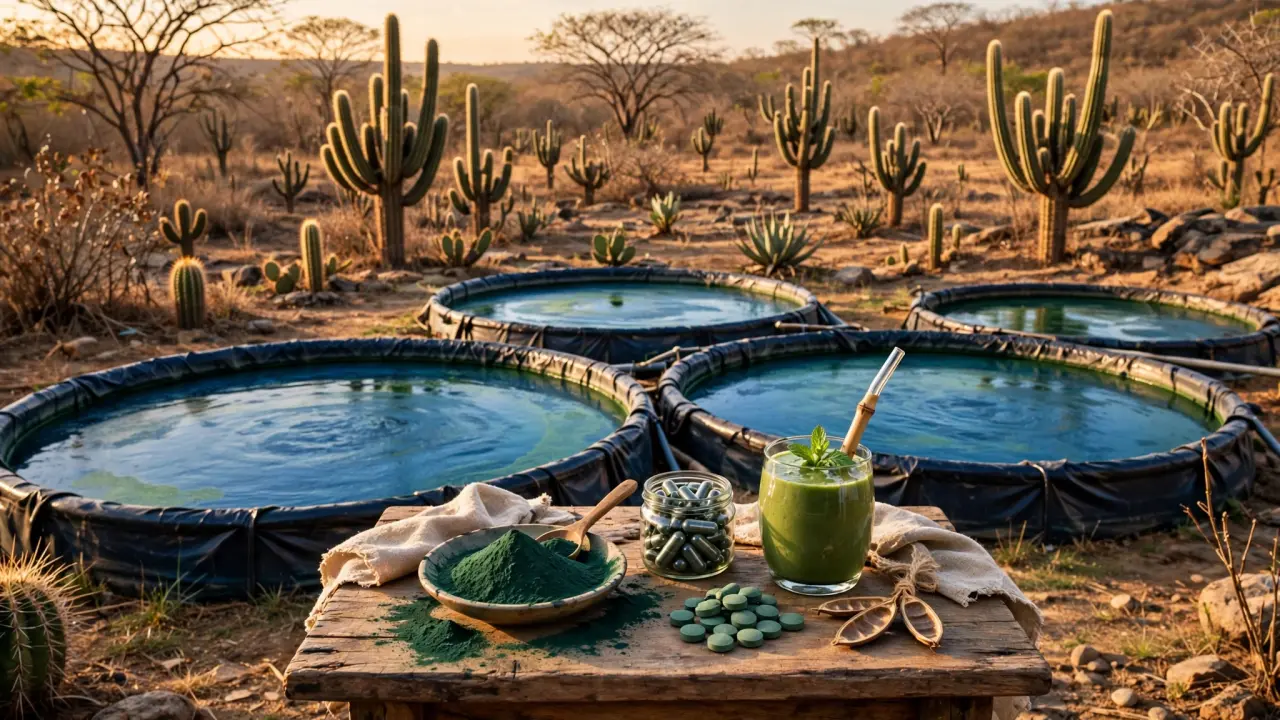
Spirulina (Arthrospira platensis) is one of the most complex natural food supplements, adopted by the NASA diet. It is currently known as one of the most complex natural food supplements. It has one of the most nutritious combinations ever obtained from any type of food. It is recognized by NASA as a superfood of the future with countless benefits for human health, and has surpassed many results in research.
Spirulina is a multicellular plant that originates from the blue-green algae family and is so named due to its spiral shape. Like plants, it grows in mineral-rich alkaline waters and is capable of photosynthesis.
It is one of the first forms of life conceived by nature more than 3.6 billion years ago. Spirulina contains evolutionary wisdom in its DNA — it is the fruit of the first photosynthetic life form on Earth.
Spirulina is one of the richest known sources of protein, reaching approximately 70%. It is rich in vitamin B12, with about 3 micrograms per gram. It is also well known for having the highest amount of beta-carotene, an extremely important nutrient and a powerful antioxidant that is often converted in our body as provitamin A. It provides a variety of other essential nutrients, such as vitamins E, B1, B2, B3, B5, B6, B7, B9, K1, and K2, and minerals such as calcium, abundant iron, phosphorus, iodine, magnesium, zinc, selenium, copper, chromium, and potassium. Carbohydrates, beta-carotene (an important antioxidant that protects the body against the harmful effects of free radicals). Phycocyanins — a blue antioxidant that strengthens the body's resistance by pursuing free radicals that damage and age the organism. Polysaccharides: Increase the body's production of antibodies. Researched for many years in Japan, France, and the USA, spirulina is hailed as one of the greatest discoveries in the field of natural food in this century. Its high nutritional value satisfies protein needs and completes almost all the body's food requirements. In the pursuit of healthy and beneficial nutrition, the World Food Organization has promoted spirulina as the most health-beneficial and complete supplement existing in nature. NASA, in addition to analyzing it for its food program, has adopted it as a supplement source for its astronauts since the 1980s to the present day.
Among its rich properties, we can highlight the following benefits:
Spirulina is recommended against fatigue and stress due to today's busy lifestyle and poor diet. Fatigue can become almost inevitable, causing discouragement, malaise, exhaustion, and stress. It can even lead to physical and mental burnout. In these cases, the use of spirulina is highly recommended due to its protein complex. To restore normal energy levels and purify the body of toxins, generating strength and the necessary nutritional supplements for the body, as well as vitality and a much healthier quality of life. Dr. J.L. Vidalo of the Hippocampus Institute explained that the molecular structure of phycocyanin is almost identical to that of erythropoietin in human hemoglobin. It allows the body to conserve oxygen reserves inside red blood cells, enabling them to function more comfortably even under intense exertion.
An excellent energy booster and dietary supplement. The use of spirulina is excellent for bodybuilders, athletes, and vegetarians. A natural supplement, an extremely rich source of vitamins and minerals, it can reach up to 70% protein. It aids physical exercise by generating energy, eliminating fat, and regenerating muscles. It significantly increases muscle mass. It relieves fatigue and pain, and shapes the body in a healthy way. It cleanses toxins, replenishes the body's nutrients, generating more strength and vitality.
Benefits of spirulina for the elderly. Older adults generally have a significant deficiency in nutrients due to strict diets or digestive problems. As a result, the body becomes more vulnerable to the natural wear of organs and insufficient balanced nutrition. Spirulina, containing abundant proteins and rejuvenating properties, is easily absorbed. It is rich in vitamin B12, which combats anemia, fatigue, depression, and memory loss. It generates vital energy for individual well-being. It has a high concentration of calcium, essential for the growth and maintenance of strong bones and teeth.
It is also important for healthy nerves and good circulation. Spirulina also helps combat arthritis, high cholesterol, type 2 diabetes, liver problems, anemia, and high blood pressure. In addition to being a safe substitute for meat, regular use prevents many degenerative diseases such as Alzheimer's and Parkinson's, among other conditions more common in old age.
Spirulina aids in weight loss. For people on diets, spirulina significantly contributes to the replenishment of nutrients such as proteins, vitamins, and minerals. It helps with considerable weight loss through its slimming agents such as phenylalanine, chlorophyll, and polysaccharides present in the stomach, generating a feeling of fullness, inhibiting appetite, and acting against localized fat. It nourishes the body without presenting signs of weakness. Naturally, any weight loss aid works best with sustainable diets and good physical exercise.
Cancer prevention. The potent antioxidants in spirulina are believed to help reduce the risk of cancer. Spirulina showed anti-tumor results and effects in laboratory studies with mice. In 2009, a Chinese research team published in "Biomedicine & Pharmacotherapy" suggesting that in combination with selenium, it could help prevent breast cancer. Additionally, base studies have found that it can have a significant effect on liver cancer, reducing the occurrence of liver tumors from 80% to 20%. Jian-Hong Li of China showed that spirulina polysaccharides are highly effective and, among the numerous functions they can perform, highlighted the improvement of immunity, stimulation of unspecialized hematopoietic cells, inhibition of tumors, and Hela cells.
Spirulina is an antioxidant — a function by which it delays cellular aging, offering longevity, quality of life, and health. Gaydou of France emphasized the antioxidant (anti-aging) properties of spirulina due to its phycocyanin and allophycocyanin content. These are fundamental properties for combating the action of free radicals that cause intoxication and cellular aging.
Combating infections. It acts against infections and also has healing and anti-inflammatory properties. Laboratory studies have discovered that it helps destroy bacteria and viruses. A. Belay of the United States of America stated that spirulina can favorably regulate the immune system by increasing macrophage activation, T-cell activity, and natural killer cell activity. He also demonstrated that spirulina increases gamma interferon production, which can eventually inactivate viruses, that water extracted from spirulina has antiviral activity against HIV-1 (human immunodeficiency virus) and herpes simplex virus (HSV-1), and that polyanionic sulfated polysaccharides from spirulina are also potential microbicidal candidates against HIV.
Respiratory health. Several studies have found that spirulina can help provide relief for people suffering from respiratory diseases. A 2001 study published in the "Journal of Functional Foods" found that just 1 gram of spirulina per day can help improve lung function.
Eye health — Studies have shown that spirulina may contain compounds that help prevent age-related eye diseases, such as macular degeneration, and can also help combat cataracts.
Spirulina prevents iron-deficiency and pernicious anemia. Being rich in vitamin B12 and containing abundant iron, spirulina is a natural food with extraordinary properties against anemia. It corrects the abnormal formation of red blood cells and improves the immune system. Spirulina has been shown capable of stimulating antibody production against pathogenic organisms that affect the immune system. Animal tests confirm that it can combat infections and chronic diseases by stimulating the immune system.
Liver protection. Preliminary animal studies have shown that spirulina helps protect the liver against inflammation, reduces fat accumulation, and also protects against toxic damage and heavy metals such as lead and mercury.
Type 2 diabetes. Spirulina may help in the treatment of type 2 diabetes. It reduces systemic inflammation, which can help decrease insulin resistance.
Heart health. Spirulina can improve cardiovascular health in a variety of ways. It helps improve heart function and lifespan. It inhibits hypertension and increases blood vessel elasticity. It lowers blood pressure. It has been highly effective against hypertension and atherosclerosis, which is the accumulation of fatty plaques in the arteries. Additionally, it can alter the lipid profile and increase HDL ("Good Cholesterol").
Brain health — The antioxidant properties present in spirulina help combat stress in the brain and blood, and stimulate cells to create new blood. Vegetarians generally show vitamin deficiencies that can cause anemia due to an unbalanced vegetarian diet. Iron-deficiency anemia is caused by a lack of iron in the blood. Pernicious anemia is characterized by a reduction in the number of red blood cells, also caused by a lack of vitamin B12.
Diseases caused by chemotherapy. Spirulina has been overcoming diseases caused by chemotherapy through nutritional supplementation in several countries such as the USA, Italy, China, and Japan. Cancer patients undergoing chemotherapy or radiation therapy, which greatly affect the immune system, can benefit from the use of transfer factor supplementation. Transfer factor supplementation serves to protect the body from "opportunistic" infections that typically occur during these treatments. Scientists in China have also demonstrated that spirulina extract increased the level of white blood cells and nucleated cells and DNA in the bone marrow of rats that had been subjected to chemotherapy and radiation.
Use in animals. In dogs, spirulina extract additionally increased the level of red blood cells. The authors concluded that spirulina "has chemo-protective and radioprotective capacity and may be a potential complement for cancer therapy." Dr. Duane Townsend, former director of gynecological oncology at LDS Hospital in Salt Lake City, USA, provides transfer factor treatment to all his cancer patients to stimulate their immune systems' capacity to respond to any health challenges. Information from the cancer cure institute.
IT SEEMS INCREDIBLE, BUT SPIRULINA SURPASSES MANY IMPORTANT FOODS IN ITS PROPERTIES:
- In protein, one serving equals 5.5 servings of milk.
- 5 servings of eggs,
- 20 of spinach
- 50 of carrots.
- In vitamin A content, one gram of spirulina equals:
- 3,000 grams of milk,
- 400 grams of eggs,
- 100 grams of spinach
- 50 grams of carrots.
- In iron, one serving equals up to:
- 1,000 of milk,
- 300 of eggs,
- 200 of spinach
- 1,200 of carrots.
- Containing 58% to 70% protein
- 28x more iron than beef liver
- 4x more protein than red meat
- 12x more calcium than cow's milk
- 24x more antioxidants than green tea
- 8x more carotenoids than carrots (carotene gives the orange color tone)
- 1 gram of spirulina in protein content equals:
- 18 grams of milk
- 5 grams of eggs
- 20 grams of spinach
- 50 grams of carrots
- 1 gram of spirulina equals up to:
- 1 liter of milk,
- 300 grams of eggs,
- 200 grams of spinach
- 1,200 grams of carrots.
We want to make the beneficial properties of spirulina known to the national market. It combats high malnutrition rates. We will inform the population about the powerful benefits it brings to human and animal health.
CASSAVA
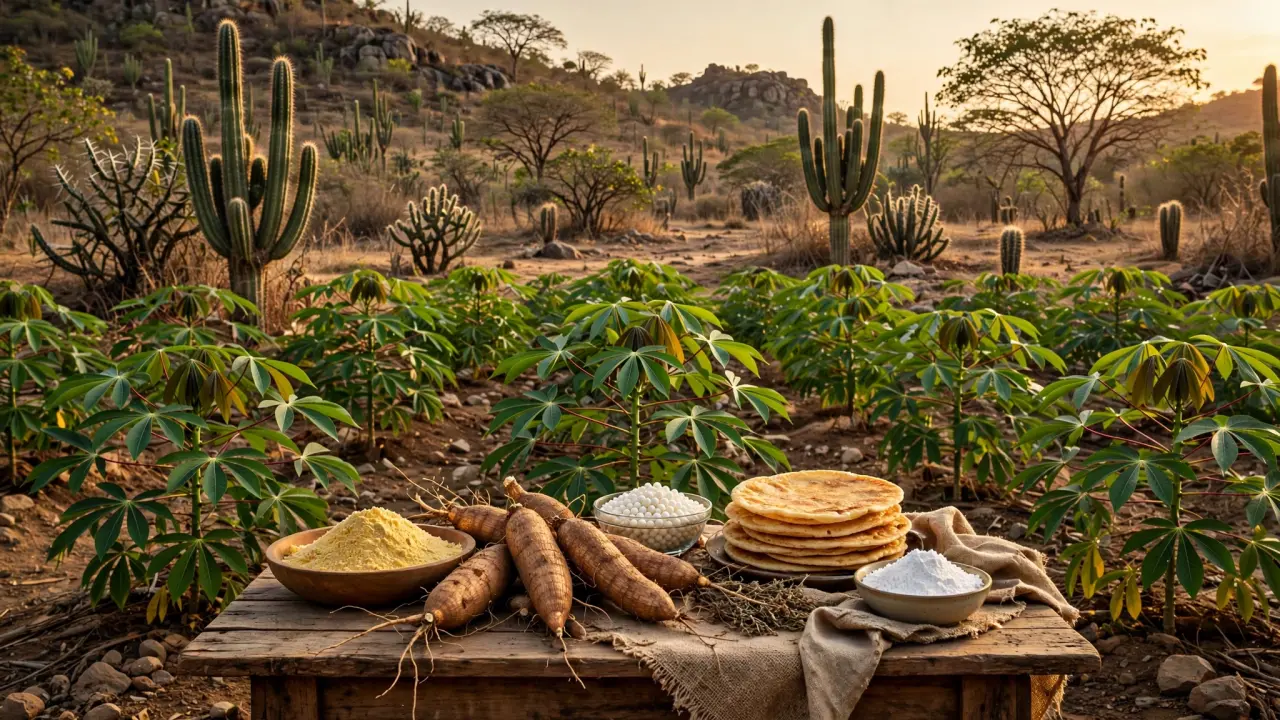
Cassava is a root of the species Manihot esculenta, with a high energy value (150 calories per 100 g). It contains minerals (calcium, iron, and phosphorus) and B-complex vitamins. It has a thin brown skin, while the interior is white. The cassava harvest season runs from January to July.
Cassava flour is one of the essential components of the Brazilian population's diet, notably in the North and Northeast regions. Flour is produced from the cassava root. Depending on the region of Brazil, it has different names: macaxeira, aipim, castelinha, macamba, etc.
Cassava flour is widely used in Brazilian cuisine. Tapioca is a food of indigenous origin, made from cassava flour. Polvilho (cassava starch) is also produced from cassava.
Brazil holds the second position in world cassava production, with 12.7% of the total. In 2016, prices received by industrial cassava producers in São Paulo state were the highest in five years, reflecting the severe drought that has been affecting the Northeast region for more than a year.
Cassava flour is intensively consumed in Brazilian cuisine, serving as an important source of carbohydrates in the diet. In some regions where socioeconomic conditions impose restrictions on a balanced diet, this carbohydrate source may be the only source of nutrients for consumption. It is one of the most effective foods in combating malnutrition.
It is used in various types of cooking and is a mandatory accompaniment to beans and barbecue. It is used to make farofa (toasted cassava flour) and pirão (cassava porridge). It is a food rich in carbohydrates and fiber, and when whole, contains some protein, calcium, phosphorus, sodium, and potassium.
The flour manufacturing technology is simple but requires certain precautions in its development. The selection of appropriate raw materials, hygiene, and care throughout the manufacturing process are fundamental factors for ensuring a quality product, the quality of life of workers, and environmental protection.
We will build a cassava starch or polvilho factory, essential for making tapioca — one of the healthiest foods, free of chemical agents, and essential in Northeastern Brazilian cuisine. We will also use cassava for animal feed. We will produce a well-balanced feed with a high content of nutrients, also beneficial for poultry and animals.
SUGARCANE
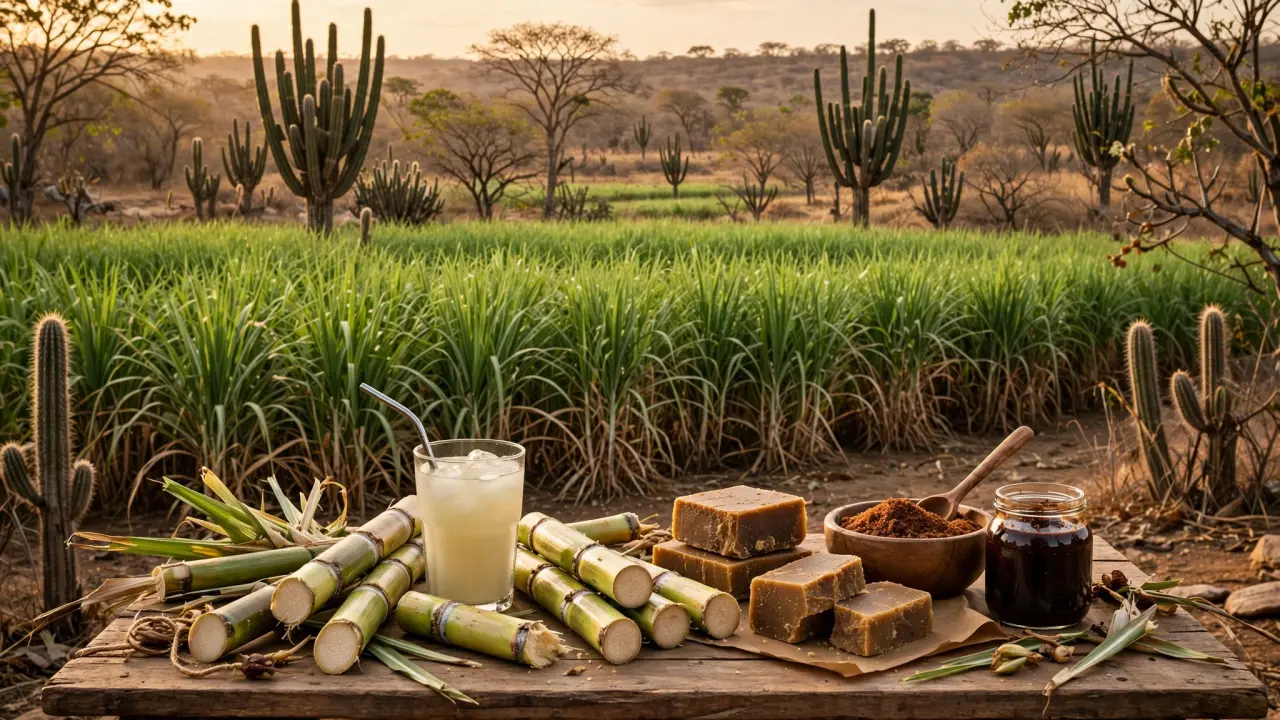
Sugarcane is known for its peculiar characteristics: a thin, cylindrical plant with large leaves that can reach up to six meters in height.
From it, two essential products for the world economy are made: sugar — an indispensable part of the human diet — and alcohol, used in alcoholic beverages such as cachaça, wine, and beer, or as fuel to power vehicles, also known as ethanol.
We wish to produce a mini brown sugar (mascavo) mill — a natural product in excellent demand, essential for human nutrition.
We will also build a natural vinegar factory from sugarcane. A widely consumed product, highly marketable, and a source of self-sustaining income.
Oasis do Sertão plans to manufacture some of the finest cachaças with the purpose of expanding into the international market. We will produce a premium, pure cachaça of unique character.
The Brazilian cachaça export market is still relatively small, with only 1% of the 1.2 billion liters produced annually in the country being exported, generating revenue of US$ 19.2 million per year.
Currently, only 9% of these exports go to the United States, which ranks fourth among countries that import the most Brazilian cachaça, behind Germany, Paraguay, and Portugal. Other countries that import the product include China, Italy, Uruguay, New Zealand, and France.
The name "cachaça" was recognized by the United States as a genuinely Brazilian product. This means that the term cachaça now appears as a new category in the alcoholic beverages sector.
The caipirinha (a mix of cachaça, lemon, sugar, and ice) has become a sensation among Americans, widely consumed with satisfaction and enjoyment.
FISH FARMING
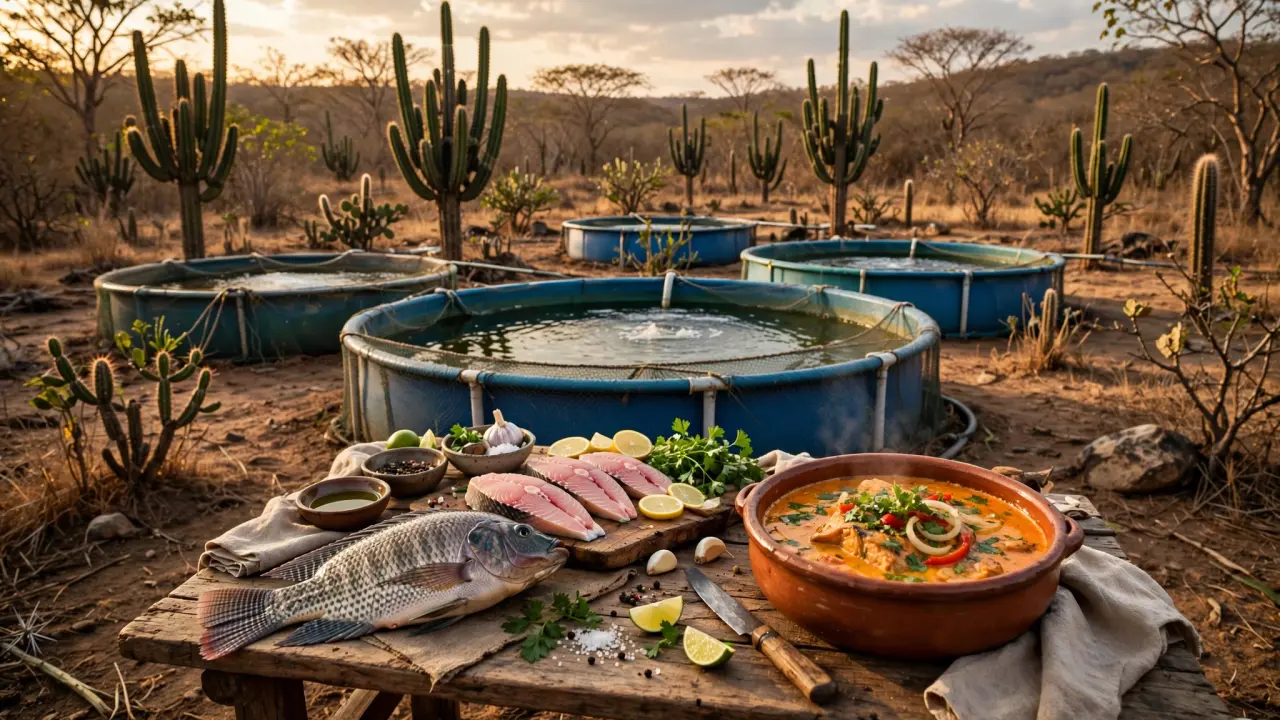
Fish farming in captivity began with the Sumerians around 3000 B.C. In ancient Egypt around 1700 B.C., in addition to food, studies were conducted by observing the behavior of fish in baked clay tanks. Egyptian priests could predict the floods and droughts of the Nile River — the foundation of their entire civilization — by observing the behavioral changes that fish exhibited.
Aquaculture can be found in the form of both marine fish and freshwater fish cultivation.
According to the United Nations Food and Agriculture Organization (UN/FAO), while global demand for fish is growing rapidly, the possibilities for expanding wild catch fishing are heading toward the extinction of some species.
Faced with this reality of fish scarcity, captive fish farming (aquaculture/pisciculture) has emerged, both for food fish and ornamental fish for aquariums. It is estimated that the only way to guarantee fish production to feed the world's population will be through aquaculture.
A fish farming enterprise should be conceived with a professional vision from its embryonic stage, requiring an objective assessment of the operating approach as well as the commercial expectations that this type of venture demands.
The Sertão lacks options for a large volume of fish consumption due to the scarcity of rain and low river levels. Demand is very high, but supply does not meet the population's needs.
The Oasis do Sertão project aims to demonstrate that this situation can be changed through the drilling of deep water wells and the use of advanced methods. We will conserve 25 species of fish threatened with extinction. We will also raise the finest food fish, considered among the most nutritious in the world, adapted to the region's needs.
TILAPIA
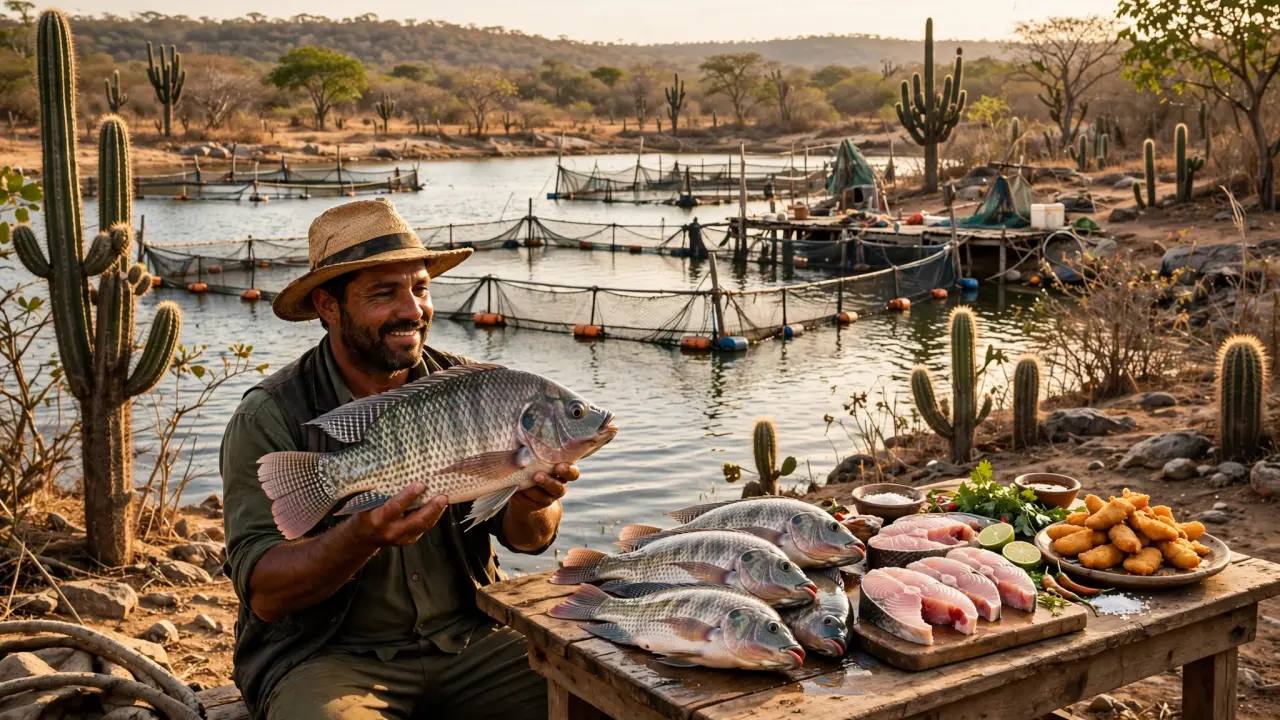
The freshwater fish known as Tilapia is popularly known by the same name. Scientific name: Tilapia rendalli.
Tilapia inhabits slow-moving waters of ponds and reservoirs. It is adaptable to saltwater.
They feed on insects, micro-crustaceans, seeds, fruits, roots, algae, plankton, and small fish.
Reproduction begins at six months of age, and spawning can occur more than four times per year. Because it protects its offspring, the species' survival rate is quite high.
Tilapia is a scaled fish with a somewhat tall and compressed body. It has silver-olive coloration with dark vertical bands. The dorsal fin is also olive-green, with a red and white stripe to dark gray with oblique spots. The caudal fin is spotted on the dorsal portion, and red or yellow on the ventral portion. It can reach 45 cm in length and 2.5 kg in weight.
Tilapia is a delicious fish with a wide variety of health benefits, including its ability to help reduce weight, boost metabolism, accelerate repair and growth throughout the body, build strong bones, reduce the risk of several chronic diseases, balance triglyceride levels, prevent arthritis, protect against cognitive decline, prevent several types of cancer, reduce signs of aging, improve hair health, and strengthen the immune system.
Tilapia is highly valued as a seafood source due to its many qualities, attributed to its richness in nutrients such as vitamins and minerals, including significant amounts of protein, omega-3 fatty acids, selenium, phosphorus, potassium, vitamin B12, niacin, vitamin B6, and pantothenic acid.
Tilapia is fundamental for human growth and development. One of the most important aspects of tilapia is its impressive protein content, providing over 15% of our daily requirement. It is one of the fish most recommended for combating malnutrition and is highly recommended for regions with insufficient food for the population.
– Andira, Anjira
– Henochilus whetlandii
– Bagre, Jundiá Rhamdia
– Jequitinhonha Bagrinho Rhamdia microcephaa
– Cambeva Itacarambiensis
– Canivete Characidium lagosantensis
– Cascudo Delturus parahybae
– Cascudo Hemipsilichthys mutuca
– Cascudo Pogonopoma parahybae
– Ituí Stermarchorhynchus britskii
– Joaninha Crenicichia jupiaiensis
– Pacu-prata Myleus tiete
– Piabanha Brycon devillei
– Piabanha Brycon insigni
– Piau Leporinus thayeri
– Pirá, Pirá-Tamanduá Conorhynchos conirostris
– Piracanjuba, piracanjuva
– Brycon orbygnyanus
– Pirapitinga Brycon nattereri
– Pirapitinga, Pirapitinga-do-Sul Brycon opalinus
– Surubim Steindachneridion amblyura
– Surubim Steindachneridion scripta
– Surubim-do-doce Steindachneridion doceana
– Surubim-do-paraíba Steindachneridion parahybae
– Steindachneridion parahybae
AQUACULTURE - FRESHWATER SHRIMP FARMING
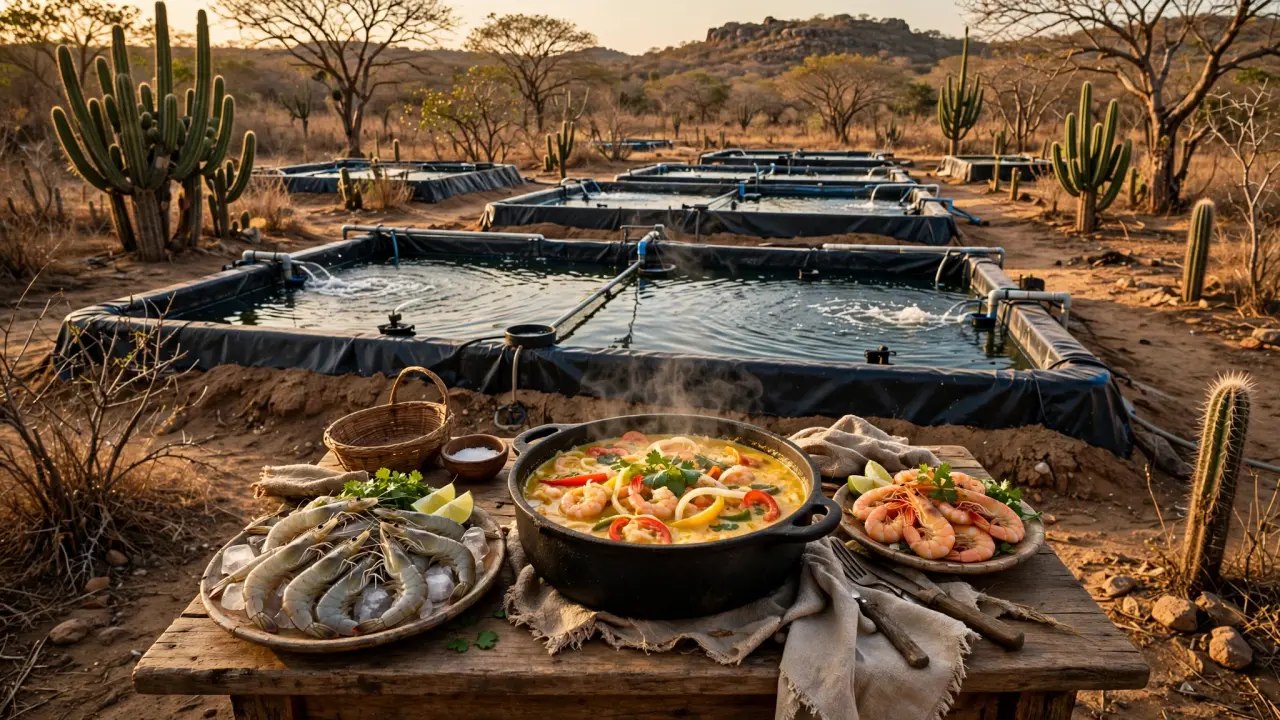
Brazilian aquaculture farmers have in freshwater shrimp farming an option for raising crustaceans anywhere inland. Without being limited to the coastal zone, the practice in excavated tanks allows the activity to spread throughout the interior of the national territory, reducing logistics costs and obtaining more competitive prices for product sales in the local market.
Even small producers with little experience can benefit from shrimp farming, making it a source of additional income. Raising freshwater shrimp does not have many requirements, and its management can be carried out on farms and ranches, provided they have adequate conditions such as space for an aquatic environment and water temperatures above 20°C for at least six consecutive months.
In captivity, it is common to use excavated ponds with a natural earth bottom where the crustacean lives and feeds. Without an efficient drainage system, reservoirs and dams are not viable options, as they need to be drained for complete harvesting — the removal of all shrimp at the end of the fattening phase.
If ponds do not yet exist on the property, their construction must be planned, as the investment will yield long-term returns. Flat terrain, clay soil, and the availability of clean, flowing water are other important factors for successful management.
Shrimp farming also adapts well to integrated cultivation systems with fish, diversifying production and expanding market opportunities for the entrepreneur.
In polyculture, freshwater shrimp also consume part of the waste generated by fish and leftover feed, without the need for specific food in ponds with three to six shrimp per square meter.
Between five and six months of age, the shrimp reaches 25 to 30 grams — the ideal weight to begin commercialization. Post-larvae, the result of egg development over two months, is another product that can supply new farmers. Currently, the most recommended species for captive breeding is the Malaysian giant freshwater prawn (Macrobrachium rosenbergii), which has a milder flavor compared to saltwater shrimp. Also known as pitu and freshwater crawfish, it has significant production in the states of Espírito Santo, Rio de Janeiro, and São Paulo.
We will add a freshwater shrimp farm to the project. Its commercialization is in high market demand. It is a product with easy acceptance and is important for the region.
BEEKEEPING
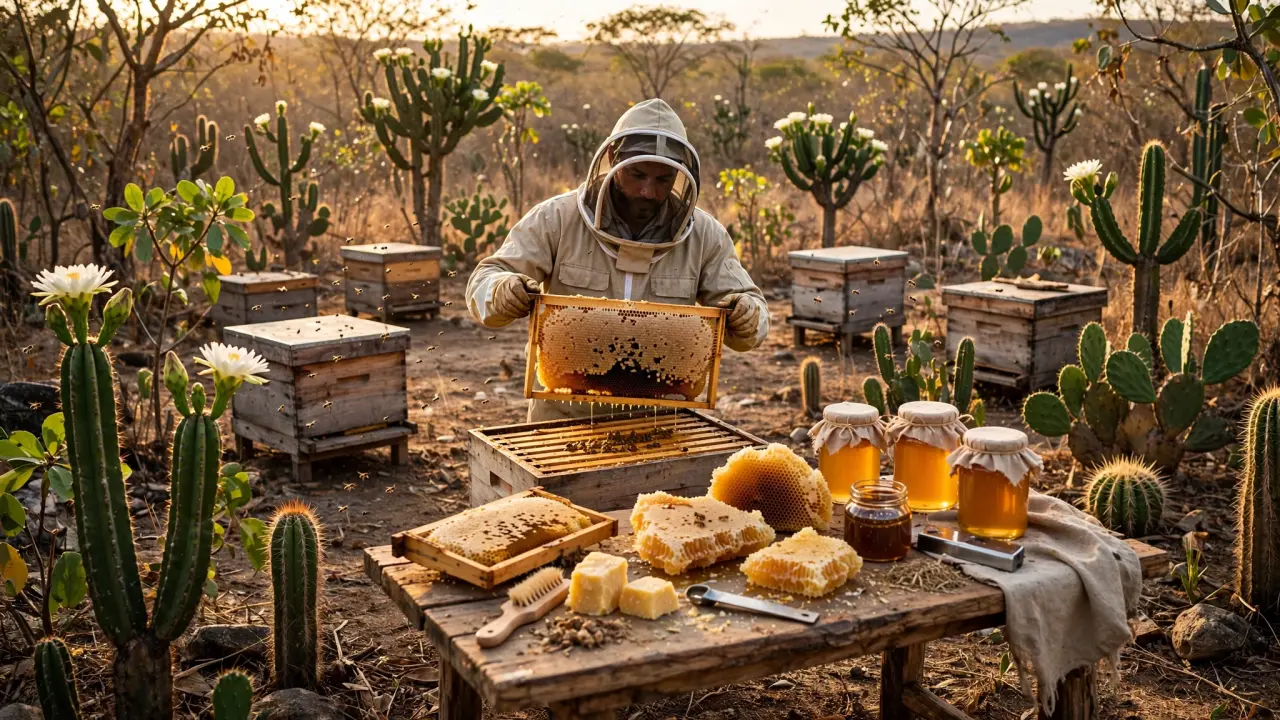
Since ancient times, honey produced by bees has been used by humans, both to sweeten food and to improve remedies. However, it was only in 1851 that Langstroth, an American beekeeper, established the foundation of modern beekeeping with the discovery of the "bee space" — 6 mm to 9 mm — which allows bees to work on both sides of the combs without hindering their activities. This beekeeper was responsible for inventing the American hive, widely used throughout the world to this day.
Although honey production is the economic basis of beekeeping today, raising bees is also aimed at agricultural pollination and the production of propolis, pollen, royal jelly, and apitoxin. These products serve as raw materials for the pharmaceutical, food, and cosmetics industries. In addition, they are also widely sought after for fresh consumption.
Brazil is a major honey-producing power, as it presents special characteristics of flora and climate. However, Brazilian productivity is still low when compared to international production. The low productivity of Brazilian apiaries is explained by the limited use of technological resources in production. This market is valued at 360 million dollars, with the number of beekeepers having increased by 4.5% over the past ten years, according to estimates by the Brazilian Beekeeping Confederation.
The Brazilian beekeeping market has high growth potential and is in an ascendant phase. Formerly, Brazilian honey production was almost entirely destined for the domestic market. Recently, external factors ended up benefiting national beekeeping, causing a surprising rise in exports. This occurred when the world's largest exporters — China and Argentina — had their exports banned due to health-related issues.
The benefits that honey can offer society include, first and foremost, its medicinal properties, which are effective against the proliferation of bacteria and in the prevention of diseases such as bronchitis. Honey is sweet and contains an enormous amount of minerals that participate in various metabolic reactions in the human body, with some of these minerals being vitamins essential to good health. Proteins are also contained in honey and are broken down into amino acids for energy formation and muscle production.
We are located in a 100% favorable environment for high-quality, flavorful honey production. Our vegetation is entirely conducive to establishing special hives. We can sell in both the national and international markets. Product sales will be one of the most important factors for maintaining the Oasis in the Outback Project.
GOAT FARMING
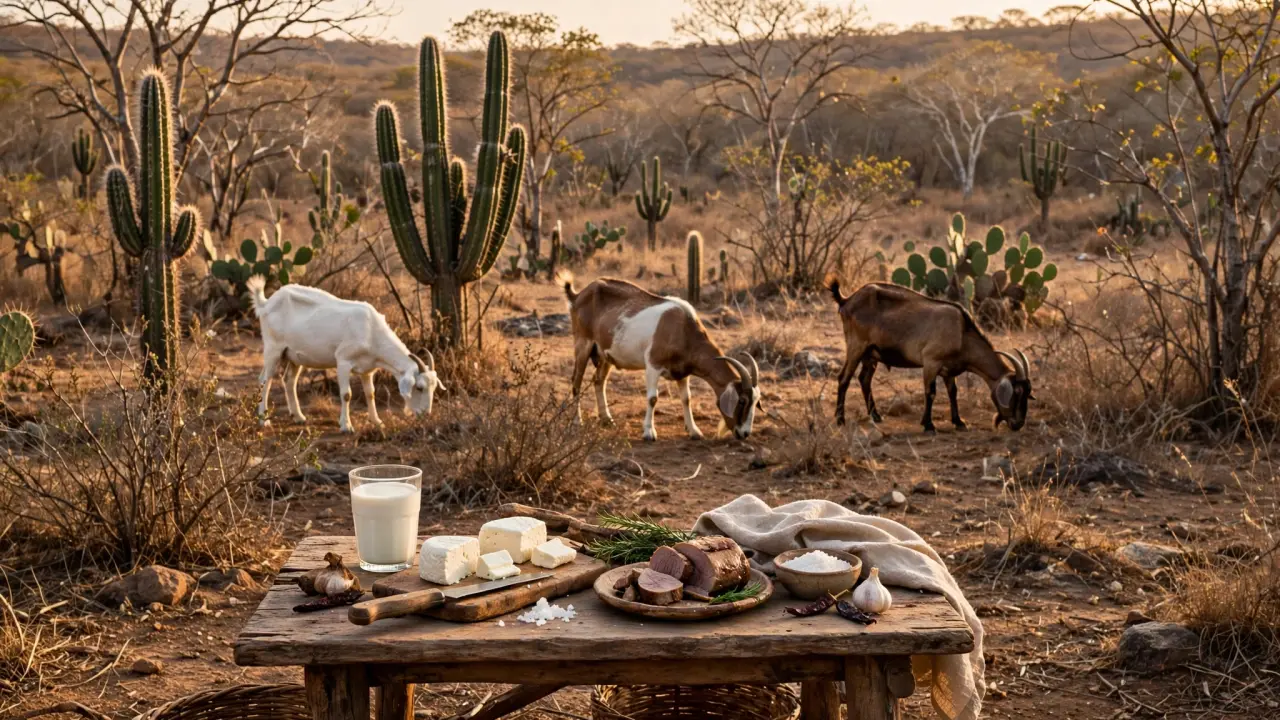
Goat farming is considered one of the great financial alternatives for the survival of the northeastern people, due to the climatic conditions and the animal's favorable adaptation to the region.
Goats are considered the salvation of more than one million families in the northeastern Sertão. During droughts, when it is common to suffer losses in cattle herds and crops, goats remain there, firm and strong, eating bark and dry leaves and producing milk (goat milk has more nutrients and is easier to digest for those with lactose intolerance). In addition to the highly appreciated meat in the Northeast and the highly nutritious milk, breeders also benefit from the hide.
Dairy goat farming is increasingly present in Brazilian agriculture, conquering and maintaining new markets for goat milk and its derivatives. Among the products of this activity, the following stand out: pasteurized milk, ultra-high temperature (UHT) milk, sterilized milk, powdered milk, yogurts, ice creams, sweets, and cheeses. However, as the supply of products has grown, market competition has also become a reality, requiring greater efficiency from all components of the production chain.
To raise goats, you basically need good animals, comfortable facilities that facilitate management, and good feed. But you also need to decide how the milk will be commercialized — selling the raw product or processing it on the property. If you opt for processing, you must choose which products you intend to make, whether only milk for fresh consumption or also its derivatives, and how distribution will work.
In addition to dairy production, the goat farmer can invest in the genetic improvement of their herd, aiming to sell breeding stock and breeders to other farmers.
In planning, the location of the enterprise is of great importance. A strategic location enables the growth of sales for all dairy products as well as live animals. Therefore, when planning, consider the importance of proximity to consumer centers, good road access, and the ease of acquiring supplies.
The main differences between goat milk and cow milk lie in the fat and protein content, which directly influence cheese-making yield and reinforce its nutritional value.
We will establish a selected goat herd for breeder sales.
GOUMERT GOAT CHEESE
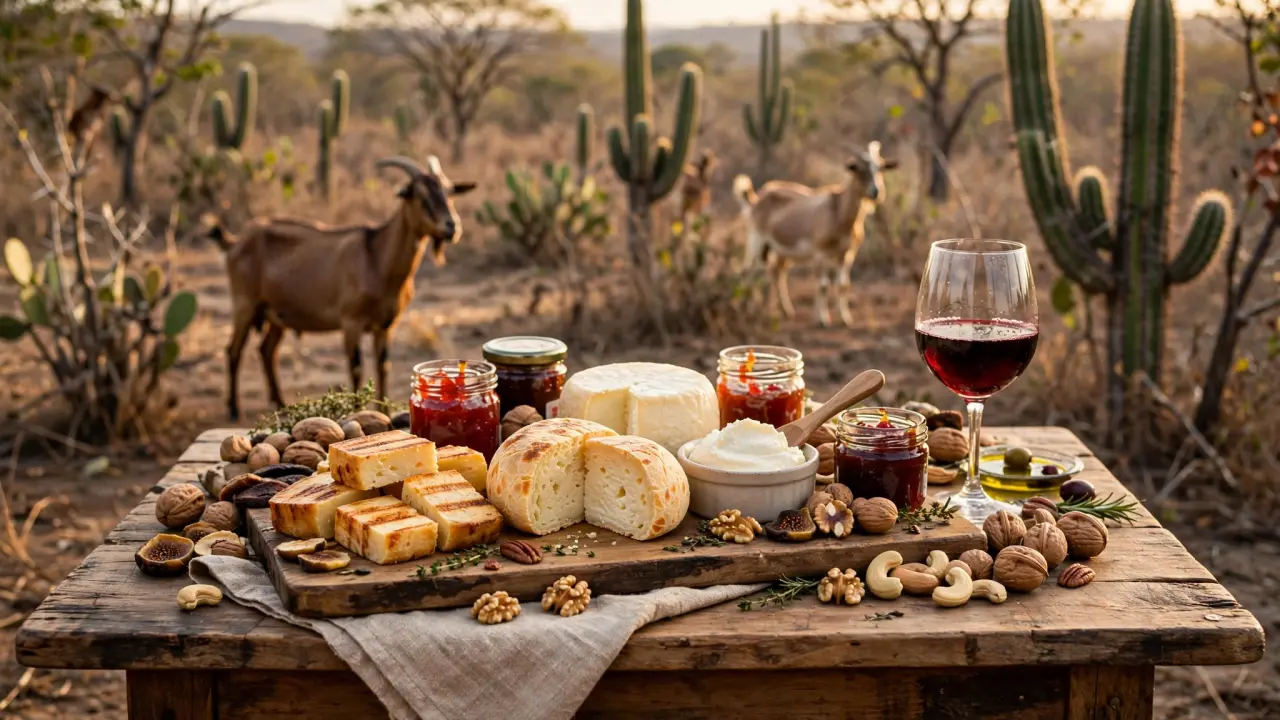
Goat milk is an excellent alternative. People allergic to cow's milk, children, the elderly, as well as religious groups consume goat milk in powdered or fresh form. It is also widely used in gastronomy for preparing dishes and delicious sauces, not to mention the production of derivatives: cheeses, yogurts, and other dairy products. The cosmetics industry also has an entire product line based on goat milk. As can be seen, there is a diversified and attractive market that is still largely unexplored. It is the only milk that retains its nutritional properties after six months of production.
Some of the European dairy breeds that have stood out most:
SAANEN: White, stately, the highest milk producers, largest and most demanding consumers of feed. Lactation period of 8 to 10 months, with at least 3 kg of milk per day. Fertile females frequently produce two kids per pregnancy, sometimes three. Requires confined housing and good care.
TOGGENBURG: Grayish-brown coat (hairy or not) with white facial stripes. More rustic than Saanen, good producer (2.0 kg), good breeder, typically has twins. Thrives in both systems.
BROWN: Brown and black coloring, somewhat smaller than Saanens, more rustic, and also good milk producers. During 8 to 9 months, they typically produce 2 kg of milk per day.
ANGLO-NUBIAN: Dual-purpose animals (milk and meat), colored coat, large ears, Roman nose, typically polled. Produces 2 kg of milk per day for 7 months. The kids go to slaughter at 3 months, already weighing 21 kg.
Cheese is said to be one of the most complete foods in the world, due to its concentration of proteins, fats, vitamins, and minerals. By definition, cheese is a protein-fat concentrate resulting from the coagulation of milk.
Goat milk is an excellent raw material for cheese making. The texture of the curd, the mass, and the cheese itself is pleasant to the touch, and its very white color transforms it into cheeses with a special and beautiful appearance. We will build a goat cheese factory to the highest gourmet gastronomy standards.
We will work on a line of smoked cheeses. They will be differentiated by their ingredients and manufacturing process. We will be recognized and stand out for the excellence and quality of our products in Brazil and abroad.