Oasis in the Outback Project
THE REALITY OF NORTHEASTERN BRAZIL AND ELSEWHERE IN THE WORLD IN CURRENT TIMES.
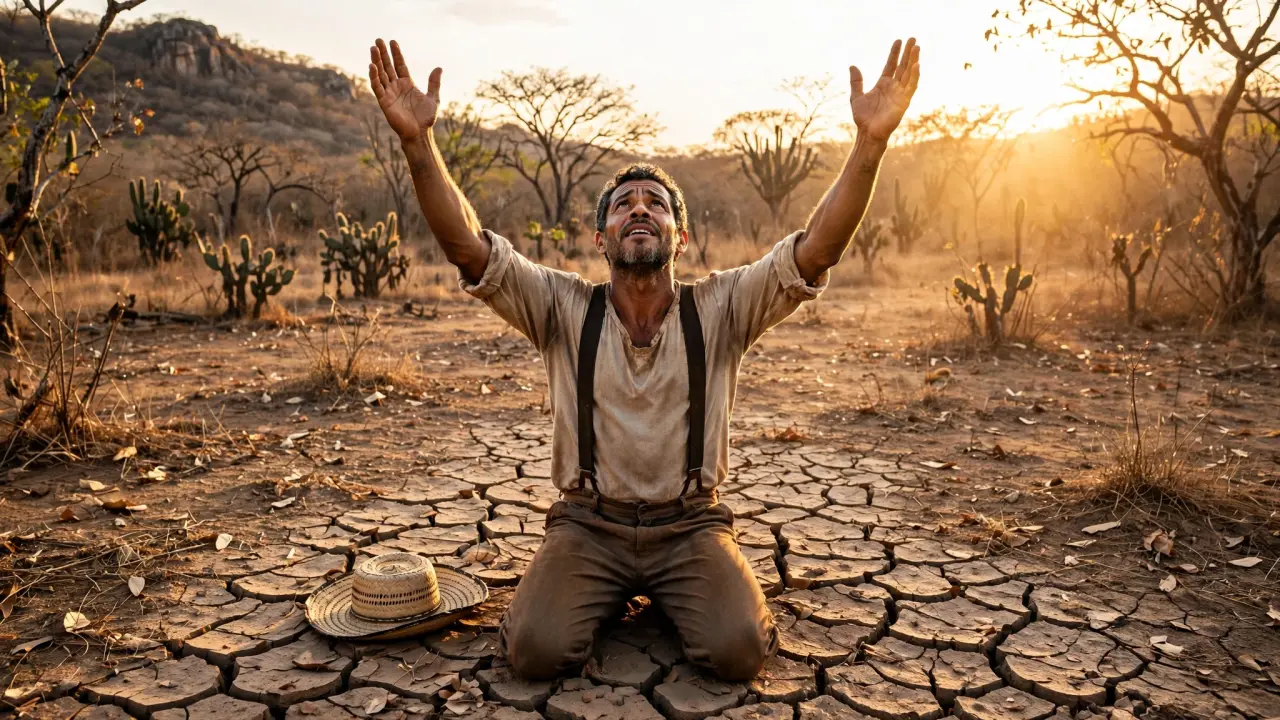
Northeastern Brazil has been plagued by lack of rainfall for centuries. Global warming is also among the factors that contribute to and diminish water volumes, bringing catastrophic disruptions. Animals, forests, and the entire ecosystem are disappearing day by day. Much of the environment is threatened with extinction, and no precautions or immediate measures are being taken.
Everything goes unnoticed by those responsible and by local authorities.
Thousands of rare species of animals, birds, reptiles, and plants that stand out for their beauty and great importance to the environment are being destroyed.
Every year many people die as a result of water contaminated by lack of basic sanitation, or diseases caused by various parasites and mosquitoes, vectors such as Zika Virus, Chikungunya, Dengue, and Chagas Disease. Another concerning factor is the lack of prevention and healthcare assistance.
The effects caused by the scarcity of rainfall that the northeastern region of Brazil has suffered in recent centuries are already notable. Incalculable losses to the environment without satisfactory results or solutions.
Based on these needs and through revolutionary results, we possess knowledge of innovative technologies that can serve as a model to change and transform the current situation in northeastern Brazil, and various other problems that afflict humanity in different sectors of the planet.
SAD REALITY: STRONG IMAGES OF THE SCOURGE OF DROUGHT
THE Oasis in the Outback PROJECT AIMS TO TRANSFORM THE LIVING CONDITIONS OF THE PEOPLE IN NORTHEASTERN BRAZIL
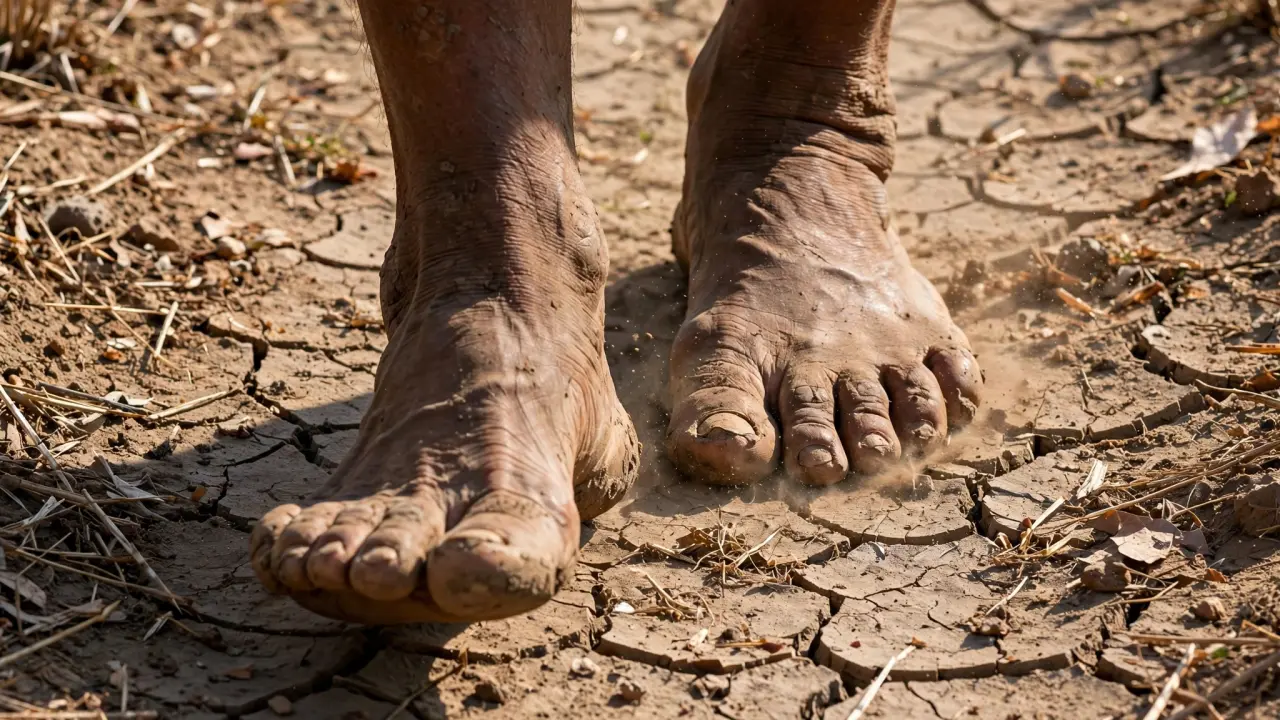
Throughout the historical events of our country, the northeastern Sertao became an inseparable synonym of drought, due to the natural climatic condition of the region, which affects its soil and consequently the lives of thousands of people who live on these lands.
The absence of water, caused by the dry season, reaches the lands leaving them in a grave state of unproductivity, thus the men of the countryside become unable to exercise their main economic activities: agriculture and livestock. During this period, the surviving vegetation is limited to plants adapted to high temperatures, soil aridity, and scorching sun. Under these conditions, the sertanejo people are forced to abandon their region in search of other fields that offer survival conditions. The drought-stricken area is considered in political discourse as the main cause of misery among local inhabitants.
The place has a very hot climate, easily reaching above 40 degrees Celsius in the hottest months.
The environment already resembles a desert with almost no planting options. The artesian wells installed in the region are of shallow depths; the water flow runs out in a few months. The reservoirs generally do not fill sufficiently for the entire year. The population is supplied with water from long distances via water trucks, which may carry contamination risks.
What moves us most and draws our attention is the great loss of plants and animals. In addition to various types of diseases. There is major technological backwardness and lack of employment opportunities preventing development, progress, and a better quality of life for everyone.
With incalculable losses caused by the scarcity of rain in the interior of the region. We want to bring a new concept of help in an impactful way. We can make change and development never before demonstrated, with innovative and promising results, through advanced methods and renewable technologies, free of pollutants, using the region's own natural resources.
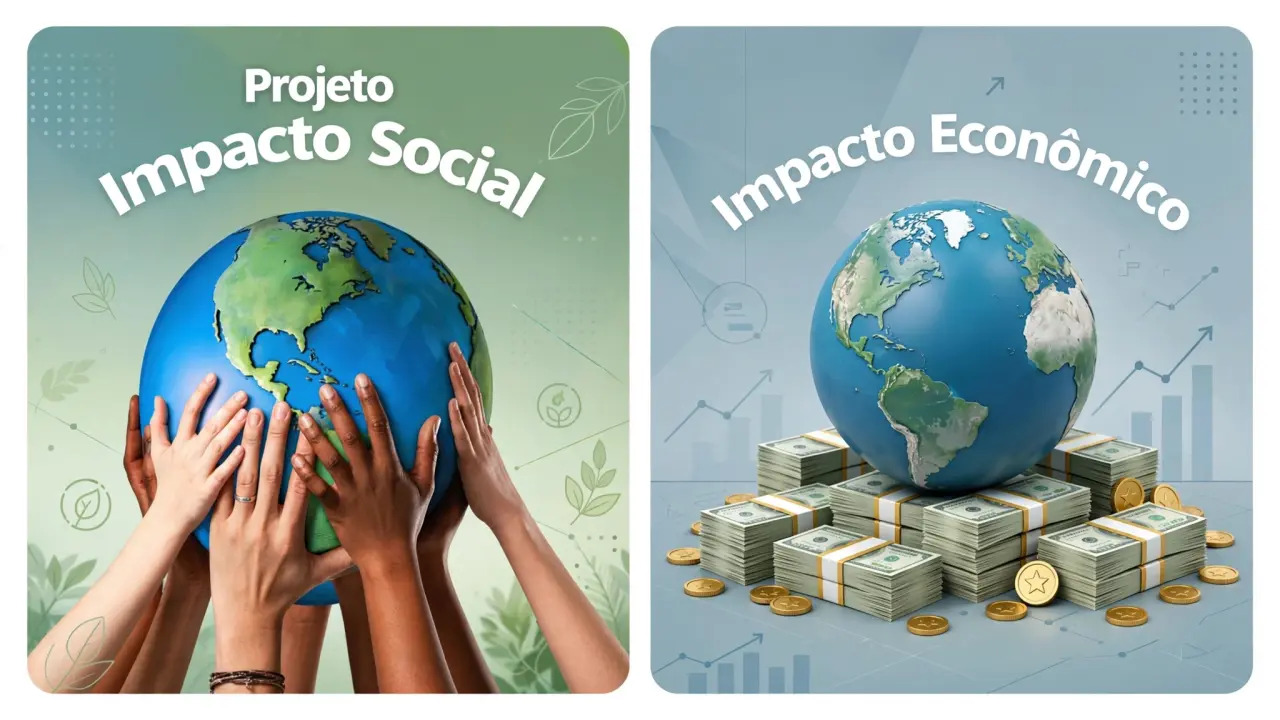
THE Oasis in the Outback PROJECT WILL BE GENERATING FINANCIAL INCOME, USING THE REGION'S NATURAL RESOURCES, SAVING LIVES AND RESTORING NATURE IN A SELF-SUSTAINING WAY.
Within this new concept of self-sustaining solutions for the current situation of northeastern Brazil, the project called "Oasis in the Outback" was born, aimed at changing people's lives, restoring dreams, and protecting fauna and flora.
Our mission is to reduce Brazilian social inequality through self-sustaining actions with applicable solutions for social inclusion, technological development, information, culture, education, and all special attention devoted to environmental restoration and animal protection.
Generating a new concept in carbon credits with zero emissions for nature.
Our work in the northeastern Sertao aims to transform and solve problems in various areas, dimensions, and all stages of instability and decline caused by natural agents, social exclusion, or lack of resources.
We have defined our emergency plan of transformative actions in three different modalities. It positively changes social, economic, and environmental impacts, benefiting people, animals, and plants.
TRANSFORMING SOCIAL IMPACTS IN A POSITIVE WAY
THE POPULATION. For many years, the sertanejo people have suffered from a total lack of infrastructure. Housing, healthcare, education, and basic sanitation. Employment opportunities and adequate quality of life. These needs often force them to migrate, leaving behind their families and friends.
Fleeing from drought, misery, and lack of prospects in the northeastern Sertao. In the hope of a better life, they go to the big cities, but since they lack resources, they seek housing in neighborhoods devoid of infrastructure, sometimes marginalized, further aggravating social and urban problems.
TRANSFORMING ENVIRONMENTAL IMPACTS IN A POSITIVE DIRECTION
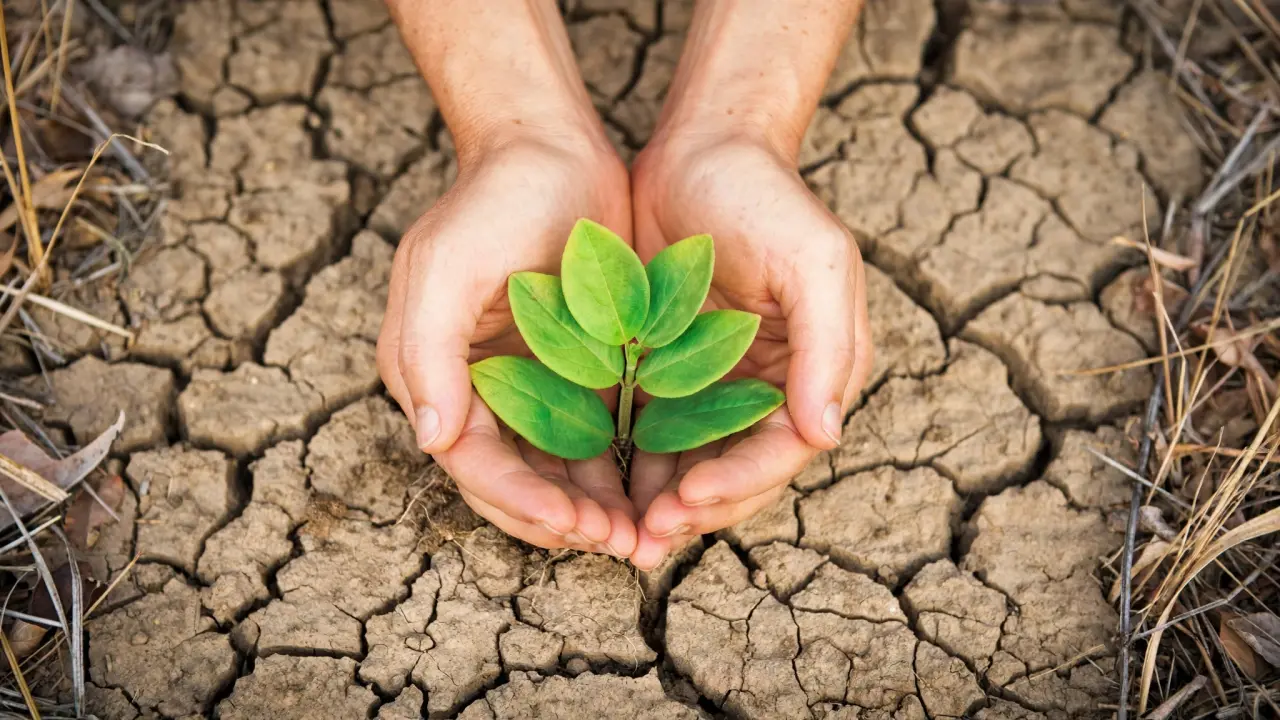
THE ANIMALS. One of the highest priorities of our project is to save and protect the animals of the northeastern Sertao on an emergency basis. They are dying from the scarcity of water and food in many places, and are also killed by predatory hunting and illegal capture for sale on the black market. We need to protect and preserve them. The extinction rate may be higher than statistics show. The Sertao calls for immediate help. No measures to combat these problems are being applied. The solutions presented in other aspects are palliative in nature or political in effect with almost no apparent result. It is tragic to see these animals being killed in cruel ways without any human intervention in this regard.
The media and the competent authorities have shown no interest in the matter, so everything goes unnoticed.
THE MAIN CAUSES OF SPECIES EXTINCTION IN BRAZIL
There are many causes of species disappearance. The main examples are:
- Animal trafficking.
- Deforestation.
- Wildfires.
- Construction of hydroelectric dams.
- Predatory hunting and illegal capture.
- Pollution.
- Drought.
The "IUCN Red List," as it is known, is divided into three major categories composed of subcategories:
- Extinct in the wild.
- Threatened: Critically endangered, endangered, vulnerable.
- Low risk: Conservation dependent, near threatened, least concern.
The Chico Mendes Institute (ICMBio) and the Ministry of the Environment (MMA) published an official list in 2014. According to it, 1,173 animal species are at risk of extinction, not mentioning those already extinct, such as the small blue macaw and the giant earthworm.
VISIT THE WEBSITE:
www.todamateria.com.br/animais-em-extincao-no-brasil
TRANSFORMING ENVIRONMENTAL IMPACTS IN A POSITIVE DIRECTION
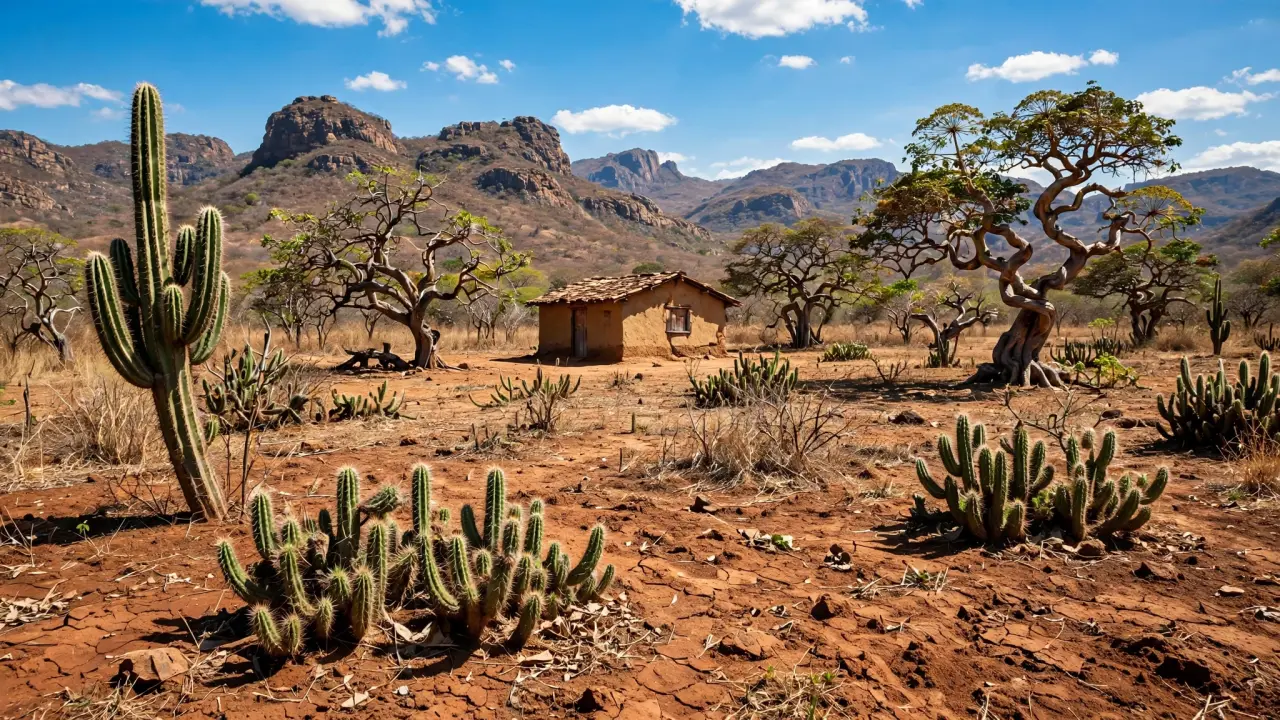
THE PLANTS. The vegetation of the northeastern Sertao is a unique ecosystem. Formed by small, spaced trees. These plants are called xerophytes. (From the Greek words "Xero" and "Philo," meaning friend of dryness.) They are adapted to the semi-arid climate conditions that predominate in the northeastern Sertao and present average temperatures above 25°C. It rains very little, irregularly, generally in the summer months. The word Outback is indigenous, of Tupi origin, and means "thin forest" or "thorny forest." It received this name from the indigenous peoples who inhabited the region because during the dry period the vegetation turns whitish, almost leafless.
Currently, plants are basically compromised by drought and improper wildfires in the region. The lack of rain is one of the main factors of vegetation deforestation. Immediate reforestation and wildfire combat programs are necessary. Without immediate and adequate solutions, there is a risk that nearly everything could turn into a large desert.
The consequences are alarming, affecting the soil, animals, and climate even more. Deforestation, however it may be caused indiscriminately, can bring various problems to society, such as increased soil erosion processes.
Climate modifications with rising temperatures. Decreased humidity and silting of rivers, in addition to causing an increase in the greenhouse effect, also generates a lack of food and shelter for animals.
Many trees were cut down for charcoal production. It has certain commercial value for various sectors of small local industries and minimal income for survival. Everything is done illegally without any control or authorization from the competent authorities.
Even if there is a high rainfall index with a good water volume above average, it will not be sufficient to restore all the losses and damages caused by humans and accumulated drought over the years. It is necessary to start taking rapid emergency measures.
We need to encourage reforestation programs quickly. Effectively and efficiently.
Nature has its miraculous properties to reestablish and restore itself; everything will depend on our attitude in helping it.