Agricultural Products — The Foundation of Agribusiness
OBJECTIVE
A very strong foundation for the sustainability of this project is the commercialization of pepper sauces and preserved peppers.
The company to be established will handle the planting, manufacturing, distribution, and sales of organic, artisanal, and ornamental pepper sauces.
PLANTING. Seeds will be selected with national and international quality standards. The peppers will feature moderate flavors along with some of the world's strongest heat levels, with high consumption both in Brazil and abroad. Planting will take place on northeastern soil in excellent condition, appropriate and favorable for the good development of production. The soil is very fertile and virtually untouched, having been free of any cultivation for decades due to the scarcity of rainfall.
HARVESTS. With the lack of opportunities and scarce job generation, we will be generating financial income through pepper harvesting, contributing to the socioeconomic growth and development of the region. This project is social, economic, and self-sustaining in nature.
THE PEPPER. We have adopted pepper cultivation as the flagship of our project. Peppers adapt very well to the semiarid climate. There is strong demand and good market acceptance both domestically and internationally. We have had wonderful experiences with pepper cultivation in the northeastern Sertão, where the climate is entirely favorable for production and can be carried out on a large scale.
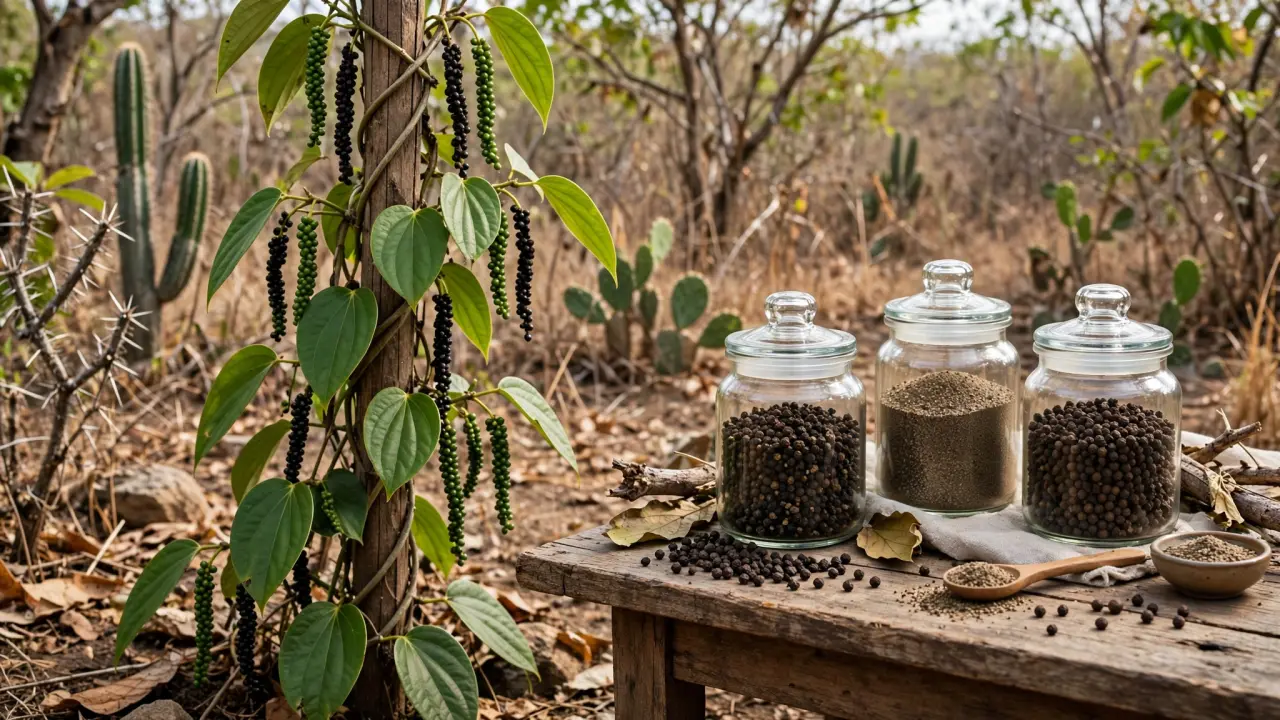
BLACK PEPPER
Black pepper is the most popular spice in the world. Native to India, it has been used since ancient times. It was so highly valued that it was often used as a form of currency and was sometimes called "black gold." It was also used for medicinal purposes.
The plant only begins to produce well from the third to the fifth year of cultivation, and from then on can generate two harvests per year in regions with suitable climate for up to twenty years. The fruits are harvested according to the type of pepper one wishes to obtain.
According to the IBGE, in 2012 Brazilian pepper production reached 43,000 tons across 19,400 hectares, with the states of Pará, Espírito Santo, and Bahia standing out as producers, responsible for 75%, 15%, and 9% of national production, respectively.
Being a commodity traded on the international market, in favorable price years the crop offers high profitability even in small-scale cultivation, making it an excellent diversification option for farmers. To confirm this, it is worth noting that on just 2,400 hectares cultivated with the crop in the state of Espírito Santo, pepper has been consolidating as the third-largest agribusiness export product of the state, with exports reaching US$ 38.4 million in the first half of 2014 alone.
It is a medicinal food. A study revealed that black pepper and turmeric consumed together in normal quantities were capable of destroying breast cancer stem cells — cancer stem cells that are difficult to eliminate with chemotherapy and other cancer treatments. Black pepper aids the digestive system, prevents water retention, helps stop smoking, and acts as an antibacterial agent.
OLIVE TREE
Our Oasis in the Outback project believes in the dream of transforming our reserve in the northeastern Sertão into an exuberant place of great admiration and pride not only for Brazil, but as an example for many places under similar conditions anywhere in the world.
We want to overcome barriers and naturally adapt plants native from other regions with adverse conditions to our reality.
The olive tree and other crops will be our challenge. As in other countries around the world, Brazil has also seen an increasing number of people paying more attention to their routines to ensure physical and mental well-being. Many Brazilians are prioritizing a balanced diet, preferring to consume products with more health-benefiting properties.
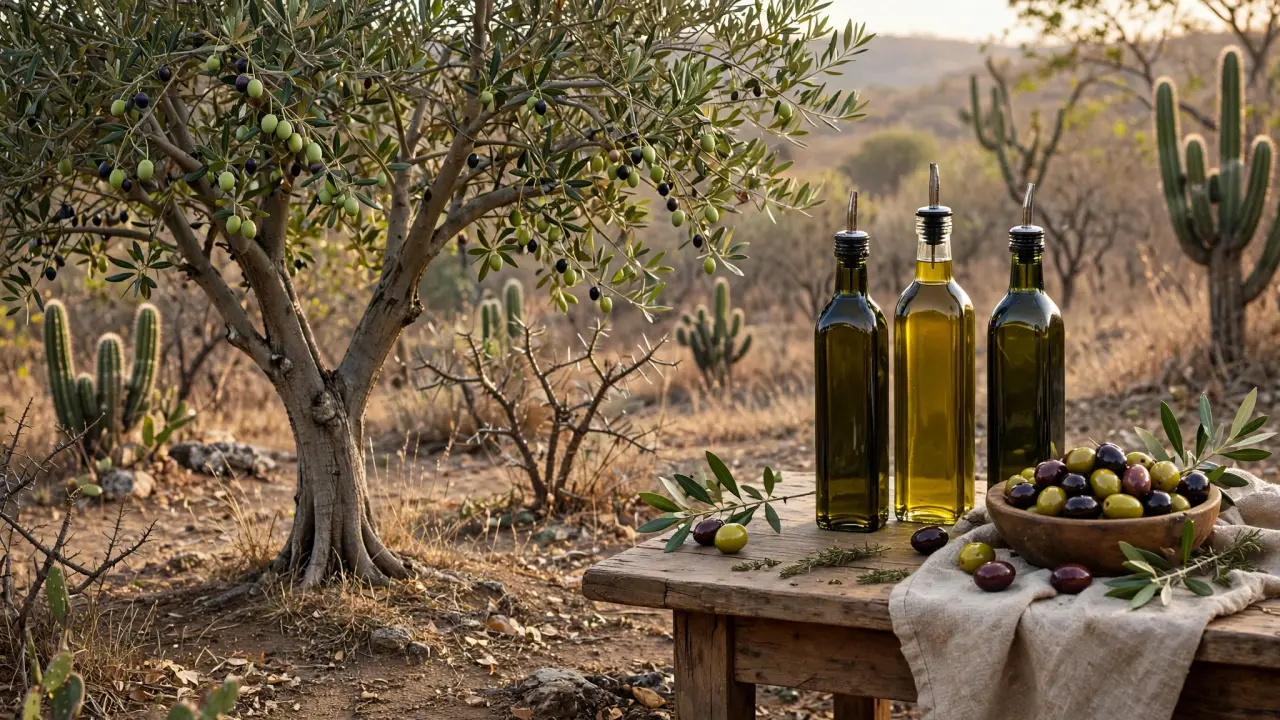
Used by humans for thousands of years, the olive tree had its commercial planting initiated in Brazil in the 19th century and became the subject of Brazilian research starting in 1948 in Rio Grande do Sul. It was only seven decades later, in 2008, that the first extraction of genuinely national olive oil took place, when the Agricultural Research Corporation of Minas Gerais (Epamig) and Embrapa Temperate Climate began bottling the product, rich in unsaturated fatty acids, which are beneficial for increasing HDL, the good cholesterol.
The promising national consumption of olive oil is encouraging for new rural entrepreneurs. The market still needs to grow significantly to meet domestic demand, which currently relies on imports due to insufficient internal supply. Brazil ranks among the top positions of the world's largest olive oil buyers.
Production begins around the third year of planting, reaching full capacity in the seventh year. However, lack of irrigation or interference from other factors may delay fruiting by several years. When ripe, olives turn black, with a mild and buttery flavor. There are, however, olive oils made from a blend of black olives and peppery green olives, harvested during the color-change period.
With international support through techniques previously used in conditions similar to our climate and soil, we believe we will achieve promising production. Olive oil is a genuine product with excellent market demand. We will make every effort to ensure that our Sertão products are produced to the highest quality standards.
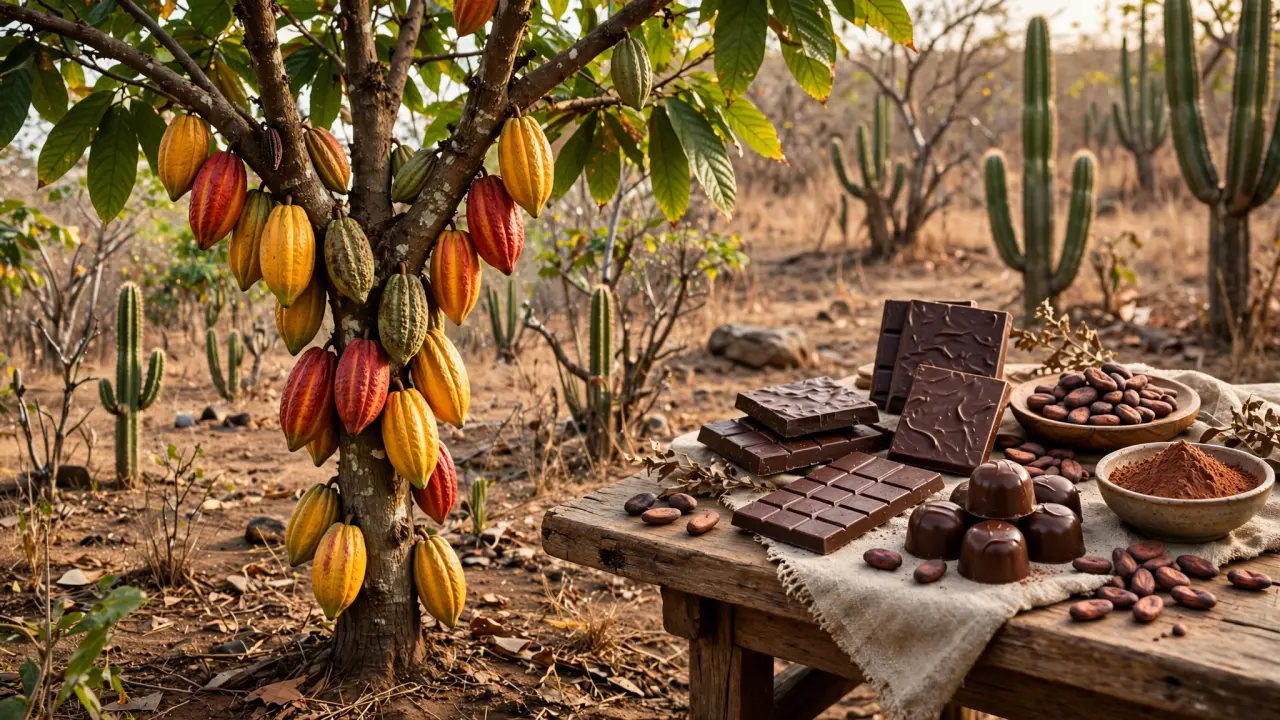
CACAO
The civilized world only learned of the existence of cacao and chocolate after Christopher Columbus discovered the Americas. Until then, they were a privilege of the Indigenous peoples living in southern Mexico, Central America, and the Amazon basin, where cacao grew naturally amid the forest. Today, nearly five centuries later, cacao derivatives are consumed in many forms, in almost every country, and are part of modern human life. They are present everywhere — in soldiers' backpacks and students' bags, in highly nutritious chocolate bars, in the most sophisticated beauty salons, in the most varied forms of cosmetics; and at social gatherings, through wines and liqueurs. Its residues are used as fertilizer and animal feed.
Leaving the Amazon rainforest to conquer the world, cacao traveled a long path. Its history, surrounded by legend, is marked by curious episodes: it was used by the Aztecs as currency and for a long time was an exclusive beverage of the most opulent European courts. Its seeds, carried to other regions and continents, formed large plantations that today represent an important source of employment and income for millions of people.
Beyond its unmistakable flavor and the exceptional quality of its fat for manufacturing chocolate-based foods of various consistencies and flavors, there are at least two other major marketing appeals for cacao sales, which can be professionally exploited by producers.
The first is the ecological appeal, linked to the fact that cacao cultivation promotes environmental balance, as it requires the preservation of native forest for shading, favoring its adaptation to fragile tropical ecosystems.
Brazil is the 5th largest cacao producer in the world, alongside Côte d'Ivoire, Ghana, Nigeria, and Cameroon.
Its commercialization is a leader wherever in the world.
SOURSOP
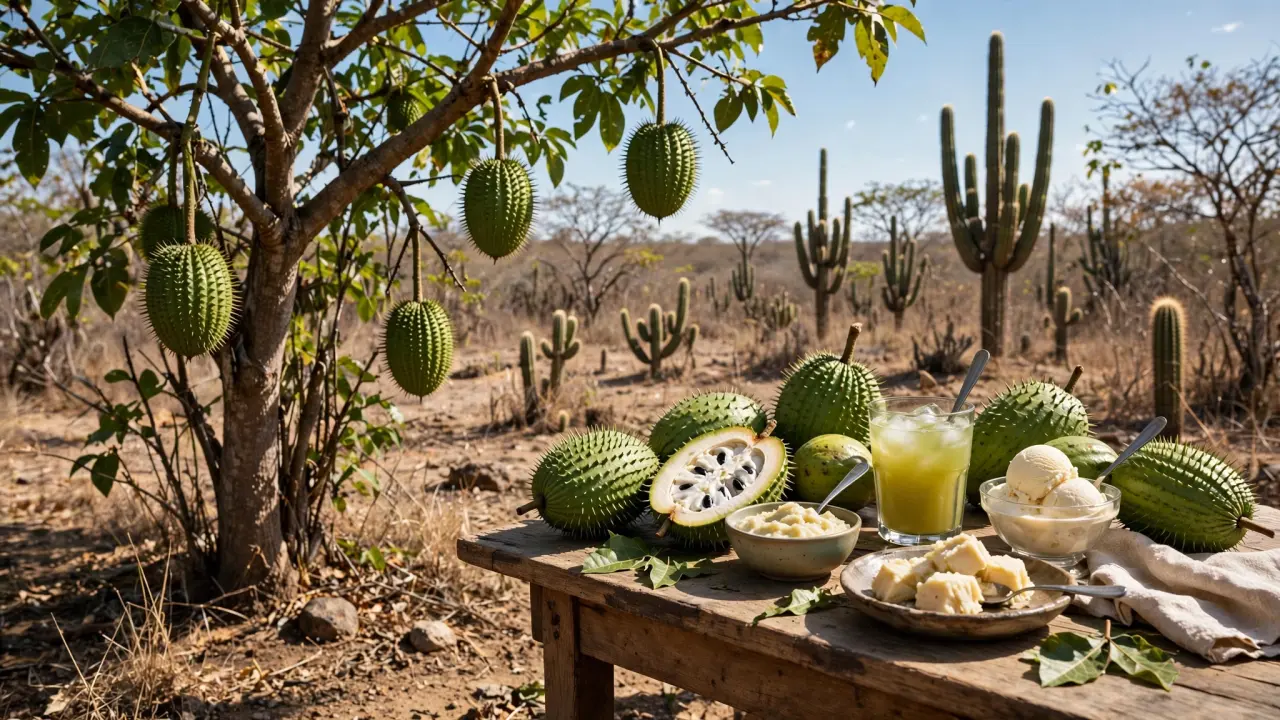
Although it has been here for a long time and is popular in the northern and northeastern regions of the country, it has only become more widely known among Brazilians in the Center-South states in recent years. From the Annonaceae family — the same family as the sugar apple, cherimoya, and biribá — the soursop (Annona muricata L.) was brought here by Portuguese colonizers in the 14th century, although credit for spreading the plant across tropical areas of the planet should go to Spanish explorers.
Its origin, however, is Central America and the Peruvian valleys, with Venezuela standing out as the largest producer among South American countries. In Brazil, Alagoas, Bahia, Ceará, Pernambuco, and Pará are prominent in traditional cultivation, while western São Paulo state has been gaining more space in soursop cultivation over the past decade.
The fruit has an oval shape, with dark green skin covered in "spines." The interior consists of white pulp with a mildly sweet and slightly acidic flavor, used in the preparation of smoothies and desserts.
Its scientific name is Annona muricata L. and it can be purchased in markets and natural product stores.
Soursop is used to treat conditions such as gastritis, ulcers, obesity, constipation, diabetes, digestive problems, liver diseases, hypertension, depression, insomnia, migraines, flu, intestinal worms, diarrhea, and rheumatism.
The properties of soursop include its diuretic, sedative, antispasmodic, anthelmintic, expectorant, astringent, vitamin-supplementing, anti-inflammatory, and antirheumatic actions.
At the National Cancer Institute in the United States, in 1976, it was proven that the "chemotherapeutic" power of soursop against cancer cells is 10,000 times greater than that of a compound called Adriamycin, one of the most aggressive cytotoxic agents currently used in chemotherapy.
AÇAÍ
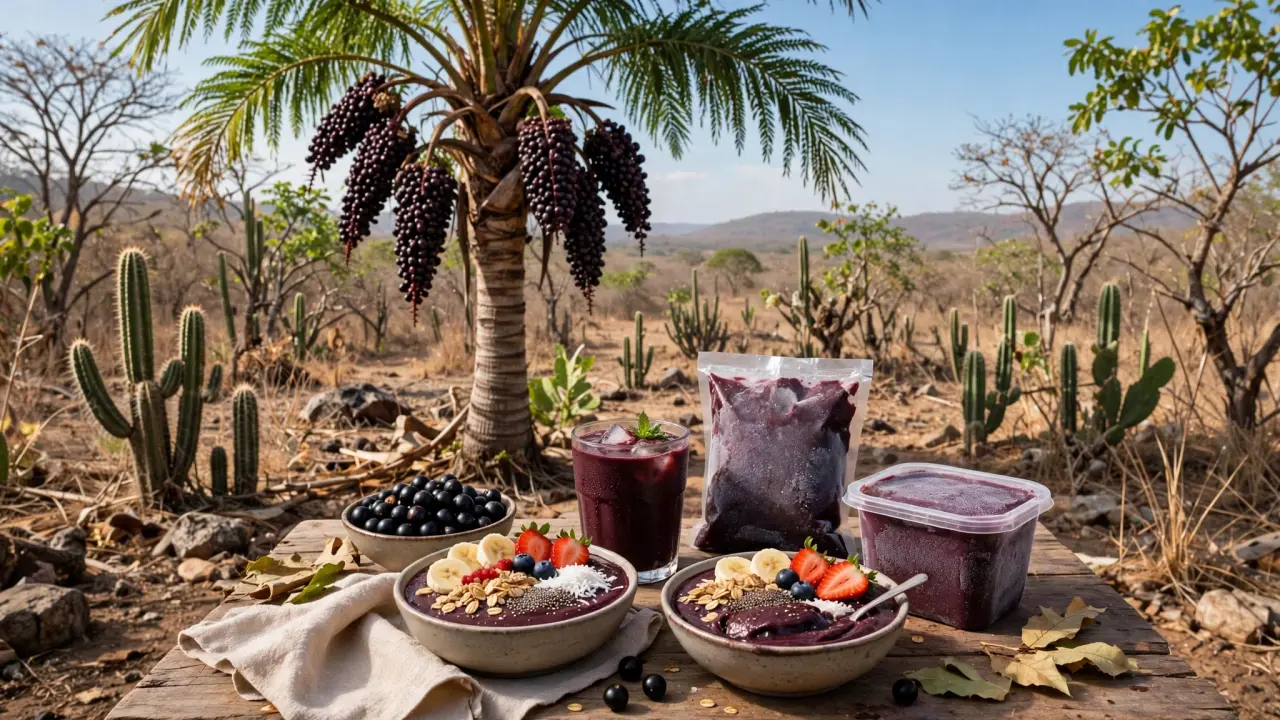
The açaí (Euterpe oleracea) is a palm tree that produces a small purple berry-like fruit, widely used in the preparation of foods and beverages.
The term "açaí" comes from the Tupi word yasa'i, meaning "the fruit that cries," in reference to the juice released by its fruit.
A plant typical of the North region, the açaizeiro is the palm tree responsible for producing açaí, which is highly appreciated and consumed in Brazil, especially during summer. The açaí fruit is a raw material for manufacturing sorbets, ice pops, jellies, beverages, and energy foods. The açaizeiro fruits year-round, mainly between July and December, when production intensifies.
Producers can control the planting of açaizeiros so that they also fruit heavily in the first half of the year. During the off-season, fruits command higher market prices, providing a good profit margin for producers during commercialization. To achieve this, it suffices to acquire seeds from off-season production.
Some regions produce açaí outside the traditional season. Those who grow this fruit and wish to sell it year-round should therefore survey these municipalities and purchase the seeds produced there.
In recent years, açaí consumption has grown exponentially, not only in the North region but throughout Brazil and in several European countries and the United States. Currently, Brazilian açaí production barely meets domestic and international market demand.
This high demand for açaí fruit has served as an incentive for some local investors to start plantings on small, medium, and large scales. Given the current context of increasing consumption, the return on investment in açaí plantations is virtually certain, considering that Brazil's production potential is almost entirely dependent on extractivism from native plants occurring in primary forest areas.
The Brazilian Northeast is responsible for high açaí consumption, as it is a highly energizing food beneficial to health.
JUÇARA PALM HEART
Scientific Name: Euterpe edulis. Synonyms: Euterpe globosa, Euterpe equsquizae. Common Names: Palmito-jussara, Açaí-do-sul, Ensarova, Içara, Iiçara, Inçara, Iuçara, Jaçara, Jiçara, Juçara, Jussara, Palmeira-juçara, Palmeira-jussara, Palmeiro-doce, Palmiteira, Palmiteiro-doce, Palmito, Palmito-branco, Palmito-da-mata, Palmito-doce, Palmito-juçara, Palmito-vermelho, Ripa, Ripeira.
Family: Arecaceae. Category: Palms. Climate: Oceanic, Subtropical, Tropical. Origin: South America, Argentina, Brazil, Paraguay. Height: 4.7 to 6.0 meters, 6.0 to 9.0 meters, 9.0 to 12 meters, over 12 meters. Light: Partial Shade, Full Sun. Lifespan: Perennial.
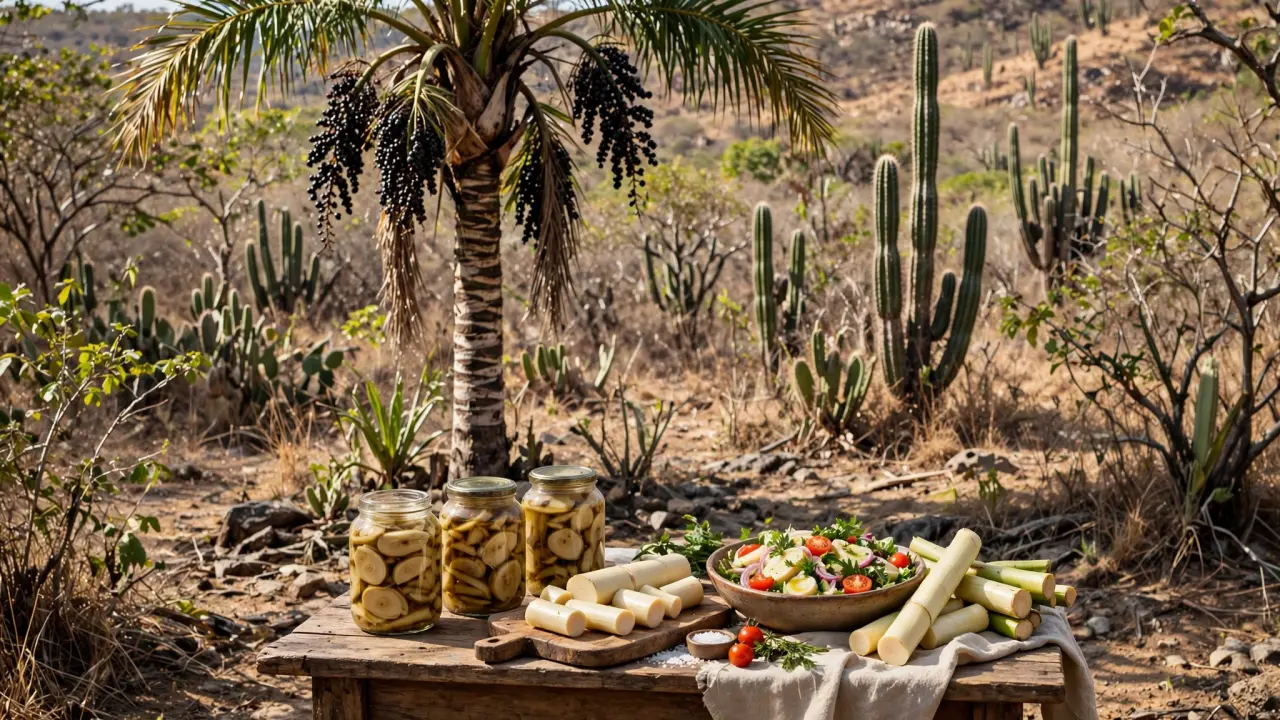
The juçara palm is a palm tree native to the Atlantic Forest, known primarily for its edible palm heart, which is highly appreciated. Its elegant stem is slender, cylindrical, and single — it does not form clumps and has no capacity to regrow after cutting, which means harvesting always results in the death of the plant. It is medium-sized, reaching on average 5 to 10 meters in height and 15 cm in trunk diameter. Its palm heart production lasts 12 years for consumption.
The juçara palm is an elegant and beautiful palm that is still underutilized in landscaping. It lends its tropical beauty to various types and styles of projects, and can be grown as a specimen or in groves. It does not require much space and serves as a special attraction for birds in the garden. It is also an ideal tree for restoring riparian forests and other Atlantic Forest reforestation areas already populated with pioneer species.
It is characterized by producing palm heart of excellent quality, with high economic value and widely consumed in human food. However, it is single-stemmed and cutting implies the death of the plant.
With the death of the palm tree, its multiple byproducts become available: fibers for broom manufacturing, beams and strips for construction, leaves for temporary roofing and forage.
Recently, the processing of its fruit, its use in landscaping projects, and the recognition of the therapeutic properties of its roots have been gaining attention. Currently, a highly viable alternative that has been increasingly studied and practiced is the processing of the juçara palm fruit pulp, yielding a beverage composition known as "açaí de juçara" with strong market demand.
PALM OIL
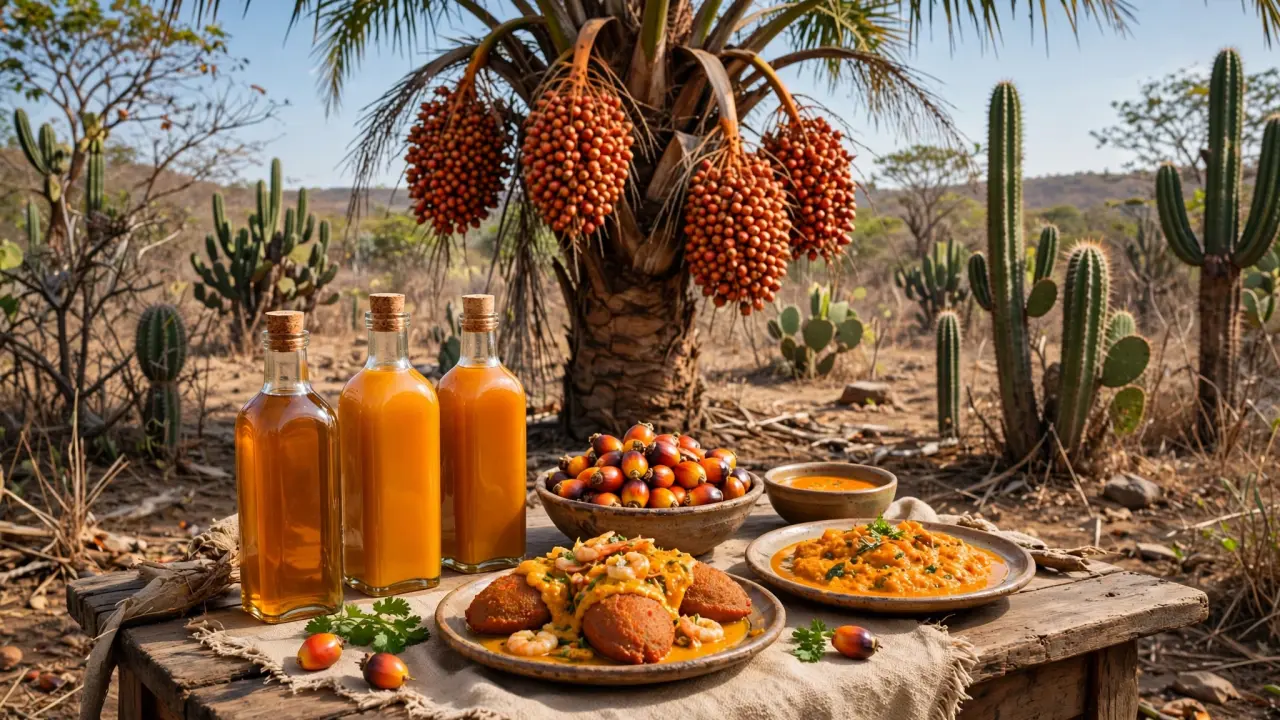
Palm oil, also known as dendê oil, is a popular oil in Brazilian and Angolan cuisine. It is produced from the fruit of the palm tree known as Dendezeiro (Elaeis guineensis). Indispensable in Afro-Brazilian cooking, it is used in dishes such as caruru, vatapá, acarajé, bobó de camarão, abará, among others. In Angola, in addition to culinary use, palm oil can also replace diesel fuel, although it is much more expensive, and it is rich in vitamins.
It is used in the manufacture of soap and candles, for protecting tinplate sheets and steel plates, in the production of greases and lubricants, and vulcanized articles. The extraction process can be artisanal or industrial and can take hours, as the fruit — brown or dark chestnut in color — is firm.
Palm oil contains equal proportions of saturated fatty acids (palmitic 44% and stearic 4%) and unsaturated fatty acids (oleic 40% and linoleic 10%). It is a natural source of vitamins E and A, tocopherols, and tocotrienols, which act as antioxidants. It is also rich in beta-carotene, an important source of vitamin A. Palm oil is reddish due to its high vitamin A content — 14 times greater than in carrots. However, heating the oil for frying destroys the vitamin A and turns the oil white.
Palm oil prices have been rising strongly on the Malaysian stock exchange, the reference market for this oilseed. The most liquid futures contract rose 1.1% and closed at 20.73 US cents per pound. Over the past 30 days, the accumulated gain reached 9.5%, and according to analysts, further appreciation is expected.
Another sign that this is a "new" market, another one to be shaken by the wave of biofuels. It is beginning to gain even more momentum, attracting new investments and offering price volatility that typically appeals to speculators. And the ripple effects of this transformation, also driven by increased food consumption, could benefit Brazil — until now merely a shadow in a segment traditionally dominated by Asian countries.
It is a highly sought-after product in various industrial sectors, being exceptionally rich in many commercial aspects..
RUBBER TREE
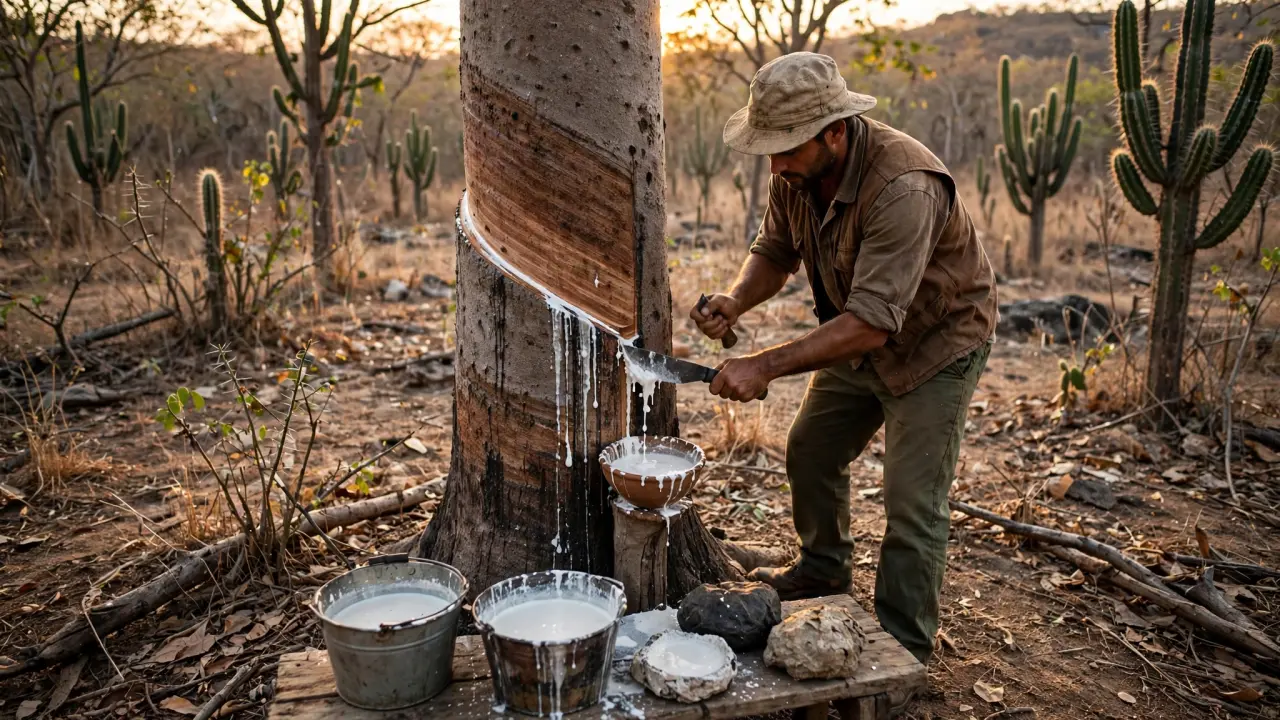
Hevea brasiliensis L., commonly known as the rubber tree, is a tree of the Euphorbiaceae family. It has compound leaves, small flowers gathered in large panicles. Its wood is white and light, and rubber is manufactured from its latex. Its fruit is contained in a large capsule with seeds rich in oil, which can serve as raw material for resins, varnishes, and paints. Because they are rich in nutrients, the seeds are used in the production of dietary supplements.
The worker who extracts latex from the rubber tree is called a seringueiro (rubber tapper). The rubber tree is native to the Amazon River basin, where it existed abundantly and exclusively — characteristics that gave rise to extractivism and the so-called Rubber Boom, a period of great wealth and prosperity in Brazilian history for the Amazon region.
The species was introduced in the state of Bahia, Brazil, around 1906. Currently, the state of São Paulo is Brazil's largest producer of natural rubber, according to statistics. Recently, demand for rubber has grown considerably due to the material's quality compared to fossil-based materials and growing environmental concerns.
Although new states such as Mato Grosso are also producing rubber, Brazil produces only 35% of what it consumes, meaning that most of the rubber consumed is imported. The rubber tree market is not only guaranteed but also highly profitable. The initial investment for one hectare of rubber plantation, including labor hiring, fertilization, seedlings, and technical services, is approximately R$ 4,000. After that, until production begins — which takes seven years — expenses are limited to maintenance, at around R$ 1,000 per year. The lifespan of a rubber tree exceeds 30 years after tapping begins, at which point the producer can receive up to R$ 10,000 per tree per year. Furthermore, it is a sector that provides income for over 40 years, making it a very long-cycle crop.
LEMON
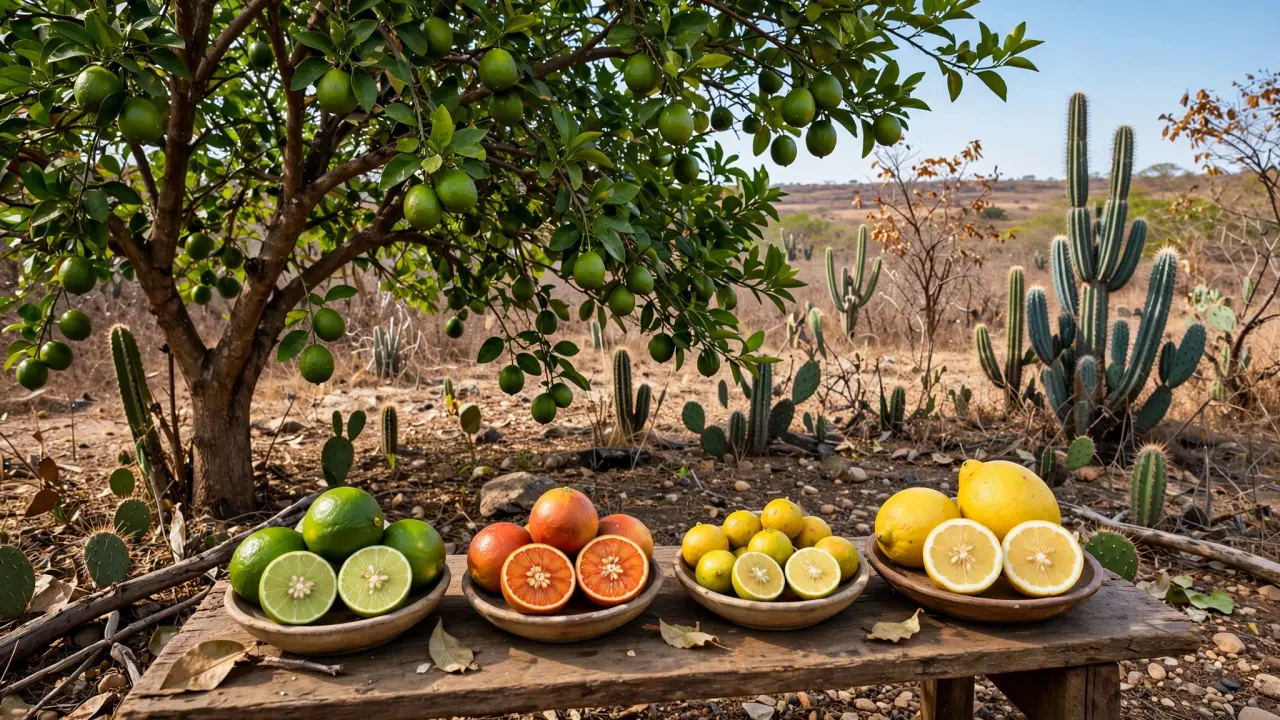
One of the most popular fruits in the world, the lemon — in its many varieties — offers rich nutritional sources for our health. The most commonly consumed varieties in Brazil are: Tahiti, Cravo, Galego, and Siciliano. Here is a brief overview of the characteristics and benefits of each.
One of the most powerful fruits used in gastronomy, in both sweet and savory recipes, the variety of lemons in existence reaches approximately one hundred species worldwide. A rich source of vitamin C, this food is an important ally for our health. For this reason, we have selected the four most commonly consumed varieties in Brazil to present their characteristics and benefits.
Tahiti - The least acidic and most widely found in the country. It is easy to identify in the market: the skin is thin, it has few seeds, and a more rounded shape. Being quite succulent, it is ideal for lemonades and drinks such as caipirinha.
Cravo or Caipira - It has a very characteristic flavor and aroma, and is also known as pink lemon. The skin is orange and has pronounced veins.
Galego - This is the smaller "lemon," with thinner, light green skin and a very rounded shape. Don't be fooled by its size — despite being small, it is quite succulent. Its acidity is not very strong, making this type suitable for a wide variety of recipes: sorbets, sauces, seasonings, drinks, sweets, and juices.
Siciliano - This is the "true" lemon! The oldest in the world, it is also known as Eureka or Lisboa. Its skin is yellowish and quite thick, and its shape is elongated. It is not as succulent as the others, and its flavor is quite acidic, making it ideal raw material for sauces and flavoring dishes full of personality, such as risottos. It has extraordinary demand and market presence.
.
DATE PALM
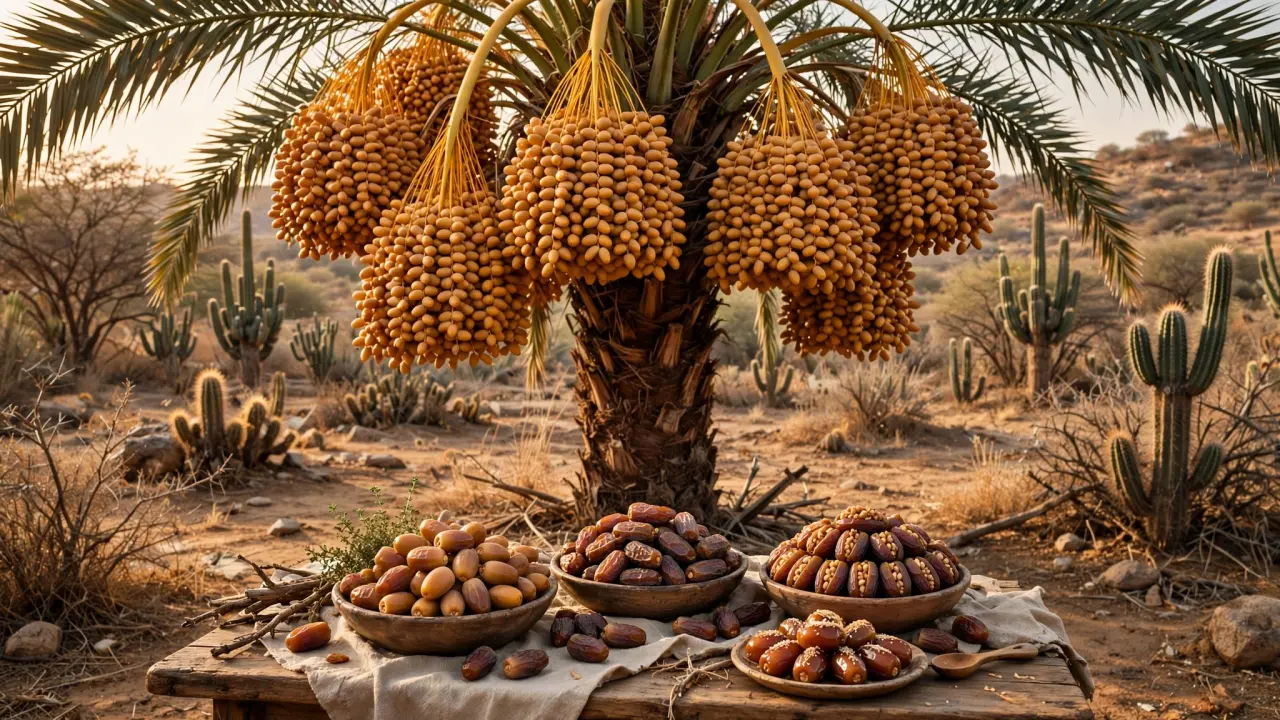
The date palm (Phoenix dactylifera) is a palm extensively cultivated for its edible fruits, the dates. Because it has been cultivated for millennia, its natural area of distribution is unknown, but it is believed to originate from the oases of the desert zone of North Africa, although a Southwestern Asian origin is also possible. It is a medium-sized palm, 15 to 25 m tall, sometimes growing in clumps with multiple trunks sharing the same root system, but generally growing as a single specimen. The leaves are pinnate fronds, up to 3 m long, with a spiny petiole and about 150 leaflets. Each leaflet is approximately 30 cm long and 2 cm wide.
In Brazil, due to the growing conditions found in the Northeast region, the date palm is cultivated with great success.
The date is a flavorful fruit, rich in sugars, and widely used in the production of liqueurs and jellies, as well as being broadly applied in the manufacture of expectorant syrups. It can also serve as raw material for the production of alcohol and vinegar, among other possible uses.
There are many varieties, and generally date palms begin bearing fruit after the second year when cultivated in the Northeast region. In some cases, depending on the variety, production only begins in the fourth year. Propagation is generally done with offshoots that appear on the palm trunk. These seedlings are considered very good, as they share the same qualities as the mother palm. It can also be propagated with seedlings cultivated from seeds. These seedlings are produced in nurseries and are ready for transplanting in one year.
In the Brazilian Northeast, the date palm has adapted so well that it generally fruits at just two years of age. This represents extraordinary precocity. For comparison, in its region of origin, the date palm fruits at eight years of age.
In addition to showing great precocity in the Brazilian Northeast, date palms have also proven more resistant to pests and diseases, suffering only from some fungi that attack the leaves, though these do not cause significant damage to fruit production. Its composition includes iron, phosphorus, calcium, proteins, and vitamins A, B1, B2, and C. A notable characteristic in the date's composition is its richness in potassium. When consumed fresh, its energy value is 178 calories per 100 g. When dried, the caloric value of dates is much higher, reaching over 310 calories per 100 g of fruit.
LOQUAT
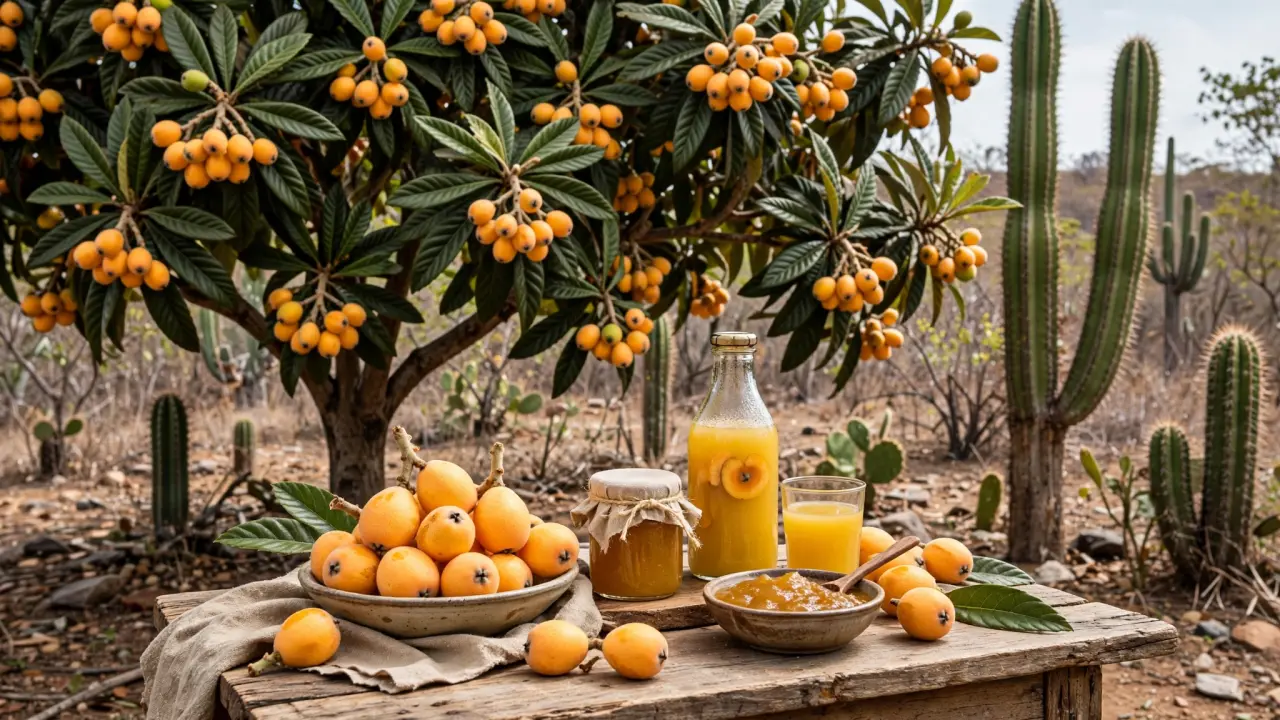
The loquat tree (Eriobotrya japonica) is a plant species of the subfamily Maloideae, family Rosaceae. Despite its name, it is native to southeastern China. Its fruit, called loquat, is also known as yellow plum in Brazil and as magnolia in northern Portugal.
It is a small tree with a rounded canopy and a short trunk. It can grow up to 10 m tall, but is usually smaller. Its leaves are alternate, simple, 10 to 25 cm long, dark green, with a rigid texture and serrated edges.
Unlike most other fruit trees, its flowers appear in autumn and early winter, and its fruits ripen in late winter and early spring. The flowers are about 2 cm in diameter, white, with five petals, produced in clusters of three to ten flowers.
The loquat is compared to the apple in many respects, such as its high sugar content, acidity, and pectin. It is consumed fresh and pairs well with other fresh fruits or in fruit salads. Being firmer, nearly ripe loquats are better for pies. The fruits are also widely used for jellies and are appreciated in preserves. A type of canned loquat is used in traditional Chinese medicine as an expectorant to soothe the throat. Loquats can also be used to make liqueur or wine. Loquat trees are easy to grow and are therefore also cultivated as ornamental trees.
Loquats can be consumed as fresh fruit, fruit juice, or in the preparation of foods such as pies, cakes, and agar gelatin. The loquat season runs from March to September, with the state of São Paulo being one of the largest national producers.
The benefits of loquats, also known as Pará plum and Japanese plum, include strengthening the immune system because this fruit contains many antioxidants and improving the circulatory system. They combat fluid retention, as they are diuretic and rich in water. They help with weight loss due to their low calorie content and rich fiber content that helps control appetite. They fight cholesterol. They reduce constipation due to their high fiber content. They protect the stomach and intestinal mucosa. They help combat respiratory diseases because they contain antioxidants that support the body's anti-inflammatory response..
APRICOT
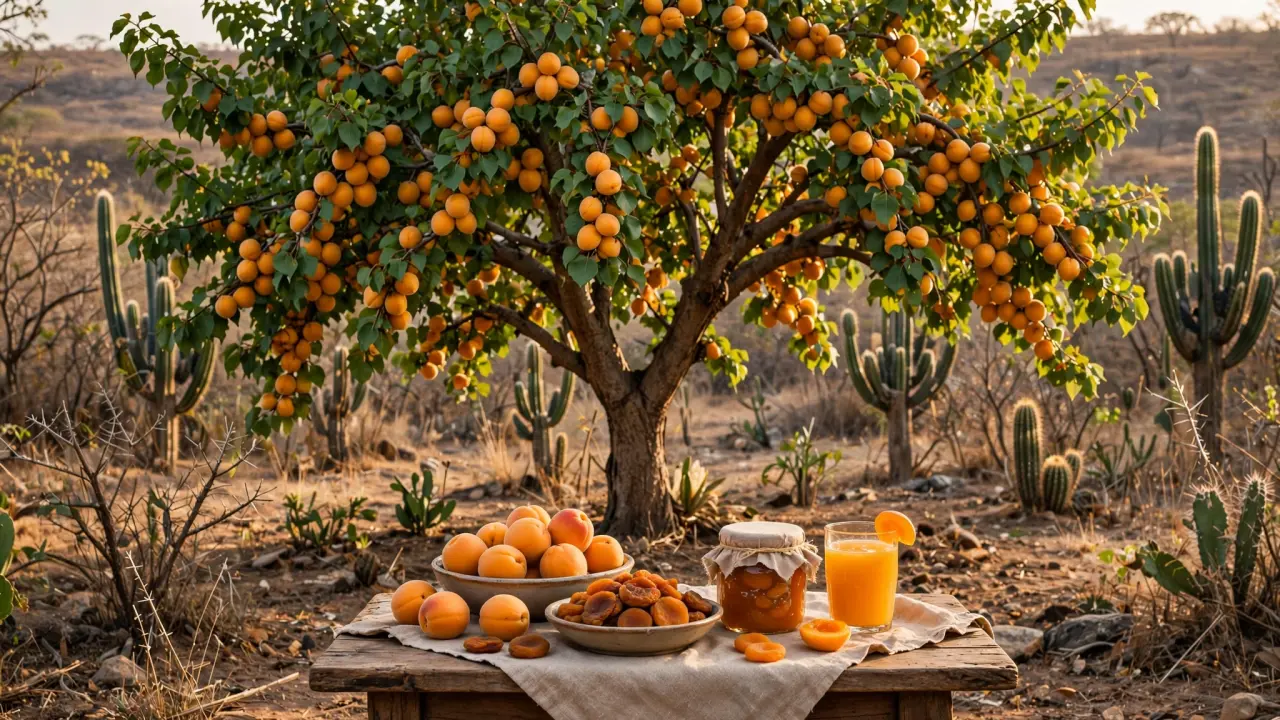
The apricot tree (Prunus armeniaca, "Armenian plum" in Latin, synonym Armeniaca vulgaris) is a tree of the rose family that reaches 3 to 10 meters in height. It has cordate or ovate leaves, serrated, with red petioles; solitary or paired flowers, pinkish or white; and subglobose drupes with a characteristic median groove, yellow or orange, with fleshy and juicy pulp. It has been known in northern China since 2000 BC and is consumed fresh, as well as internationally traded as dried fruit and in preserves.
Although considered characteristic of summer, the apricot can be widely found year-round, whether canned, fresh, or dried, despite the difficulty of its adaptation to Brazilian soils, as it prefers cold climates. Studies have already confirmed the existence of more than 50 different species of this fruit, which in its dried state is extremely rich in fiber and iron. However, in contrast, dried apricots are more caloric (about 250 calories per 100 g), while the same amount in fresh form represents only 35 calories. Even so, the more caloric version is still recommended for health due to its high concentration of nutrients and various medicinal properties.
As a point of curiosity, the apricot is indeed a member of the peach family. However, it has some distinguishing characteristics, such as its smaller size and a slightly more acidic flavor than the peach.
Vitamin A is strongly present as an active principle, thanks to the beta-carotene in its composition — a substance capable of strengthening the immune system, acting as an antioxidant, and providing benefits for eyes and skin. Regarding its chemical compounds, we can also find other vitamins such as E, B1, B2, B3, B5, B9, and C, as well as lycopene (effective in preventing the proliferation of cancer cells, cardiovascular problems in general, and as a potential laxative).
Laetrile is another vitamin that can also be found in this fruit, present in its pit. It is extremely important for medicine due to its cellular revitalizing power.